With the resurgence of psychedelics and the important research into the many therapeutic benefits – from Ketamine for treatment-resistant depression, to MDMA for PTSD, and Ibogaine for addiction recovery, and much more, the myriad lineages of traditional ceremonial and healing ways, as well as the flourishing of radical creativity with entheogenic use, the festival communities, we are all in a time of transformation and potential change for the healing and upliftment of each other and our planet.
These times, and working in these sacred and subtle, sensitive realms require ethics that far surpasses the standards that dictate dominant paradigm interactions. Holding space in a sacred way means attunement, humility, honoring, and most of all, putting aside what you think you know about what’s happening, in service to the one in spontaneous or entheogenically-induced Spiritual Emergence (SE).
The states of heightened sensitivity, openness to multidimensional realms, and to others’ energies requires extra responsibility – the ability to be responsive – on the part of the one who was holding space, witnessing, and guiding. The ones who are in the role of holding vigil must be as attuned as the survivors of trauma and spiritual emergency themselves have had to be.
Those of us who have lived experience of both spontaneous and entheogenically-induced non or extra-ordinary states may be activated and opened into psychic gifts – beholden to the underlying layers of realities and agendas – and when we share our visions and insights, the trauma of both being gaslit and pathologized are damaging in compounding denial of our truth!
In this time of the great revealing, what is hidden is coming to the surface to be seen, held, metabolized, transmuted, and the ethical requirement is that we all make contact with radical openness, radical compassion, and radical humility, contacting the reality that each of us is a bearer of truth, of wisdom, and thus we all deserve to be recognized as embodied divinity and treated with respect and care!
I was traumatized in two different medicine communities, due to lack of attunement, gaslighting, and negligence on behalf of the facilitators, guides, and space-holders. My spiritual emergency and subsequent hospitalizations are directly related to the openings of these intense and deep transformational processes- access to my deepest grief and fear, which had they been held properly, ethically, and responsibly, could have been some of the most healing and corrective experiences of my life, but instead they were some of the most re-traumatizing and isolating.
These spaces, ceremonies, ways are meant to induce opening, initiation, recalibration, and transmutation. When held out of alignment, they become potentially violating, dangerous, and re-wounding, especially for those who have had a history of trauma. As the research shows, entheogenic therapies are potentially very effective in recovery and healing in the right conditions.
What are ethically-held entheogenic containers, therapies, and ceremonies? I can tell you it is NOT forced touch, pushing farther, harder, deeper, or more. It IS attunement, respect, consent, and letting go of agendas. Allowing the Sacred Process to unfold, being guided by Spirit, and the Inner Healer. That is to say, the Inner Healer of the client, and following the needs, and being responsive and responsible to the client. And the necessity for each and every psychedelic therapist and guide to be trained in Spiritual Emergence Support and integration, resources, and acknowledging that the opening into SE through entheogenic use as well as spontaneously, is a deeply transformative process that deserves the utmost care, holding, and respect, as it is inherently an Awakening process, and why we are here in this Time-
To heal together, to return to Wholeness, and to support the activation of our gifts and capacities to be of service to one another and the Planet.
(I delivered this transmission at Will Hall’s Event on 5/4/19 at Oakland Omni Commons)
Featured Image: “Etheric Motherboard of the New Paradigm” by David Wyatt
About the Author
MichelleAnne Hobart, MA, SEC, AMFT is a teacher, writer, energy worker, and Associate Marriage and Family Therapist at Holos Institute. She trained as a Spiritual Emergence Coach with Emma Bragdon and collaborates with the Gnosis Retreat Center project. Her love for the Earth and education was exemplified in her past as a high school Biology and Health teacher working in the Baltimore parochial school system after receiving her BS in Biology from University of Maryland Baltimore County. Deeply longing to immerse herself in the subtle realms, she was drawn to the Bay Area to continue her studies. With her MA in Philosophy, Cosmology, and Consciousness from California Institute of Integral Studies, she continued her own personal journey of healing, and then sharing that path with others through her wellness center and intuitive collective. She has been in states of Spiritual Emergence throughout her life to varying degrees, and entered a state of Spiritual Emergency in 2013.. She completed and released her first book, Becoming Sacred Space in 2016. Then, in 2018, Michelle graduated from the Integral Counseling Psychology program at CIIS, and is currently finishing her second book, about Spiritual Emergence.
On May 8th, the city of Denver, Colorado voted yes on I-301, which decriminalizes the possession and use of psilocybin-containing mushrooms. The official results will be certified on May 16th. As of May 9th – the unofficial results are – yes (50.6%) and no (49.4%).
I-301 decriminalizes adult (21 years or older) possession and use of Psilocybin mushrooms – making these offenses the lowest priority for law enforcement. This initiative also prohibits law enforcement to spend money and resources enforcing arresting adults with possession of mushrooms.
Joe Moore recorded with Sean McCallister who is an attorney who helped advise Decriminalize Denver. If you want to learn about what decriminalization in Denver is really all about – tune in here. Expect to hear more from Sean in the future.
Sean T. McAllister is one of the nation’s leading cannabis business attorneys, licensed to practice law in both Colorado and California. Sean’s legal work focuses on the complex interplay between corporate law and state cannabis regulatory structures and federal law. Sean is a recognized leader in the cannabis industry. In 2004, he founded Sensible Colorado, which worked on all of the ballot initiatives in Colorado that culminated in recreational cannabis legalization in 2012.
Ibogaine is a psychedelic chemical found in the West African shrub Iboga. Bizarre in chemical structure and psychoactive properties, the drug remains mysterious to scientists and psychonauts alike. At high doses, ibogaine causes intense, unforgivingly introspective and dream-like hallucinatory experiences that can last upwards of 24 hours2. The African psychedelic might have remained nothing more than a curiosity in the West if not for the discovery of its ability to disrupt physical and psychological drug addiction4, 5. Thousands of anecdotal reports and preliminary scientific research provide evidence that a single dose of ibogaine can eliminate both withdrawal symptoms and craving in drug addicts1-7. In the United States, ibogaine remains a schedule 1 drug, and those seeking treatment must pilgrimage to countries that do not regulate it or take a chance with illegal underground treatment centers. What will it take for ibogaine to become medically available in the United States?
New drugs must undergo a rigorous vetting process to move from discovery to the legal market. To become a prescriptible medication, drugs must pass through clinical trials regulated by the Food and Drug Administration (FDA). These trials consist of a pre-testing phase, four clinical phases, and regulatory checkpoints throughout. Advancing to the next phase is predicated on successful completion of the prior phase.
Before moving to clinical trials, researchers must collect extensive pre-clinical data and submit an Investigational New Drug (IND) application to the FDA. Pre-clinical studies use rodent models to determine how effective the drug is for its intended purpose and its safety.
Phase 1 is the first set of studies to determine the safety and efficacy of the drug in humans. If these studies are successful, researchers can proceed to Phase 2, which are well-controlled studies with larger populations. Phase 3 studies test safety and efficacy with different dosages of the drug in even larger populations comprised of various demographics. While the time it takes to move through all phases varies, this process can take many years. After successful Phase 3 trials, the FDA reviews the data and the researchers submit a New Drug Application (NDA). The FDA reviews the NDA and the drug’s labeling to ensure accurate and sufficient information is provided to the consumer and drug-provider. The drug production facility is also inspected by the FDA for health and quality assurance. If the drug is approved, it will be released on the market and available for prescription. Phase 4 trials occur only after the drug has been approved and is publicly available. In Phase 4, the drug manufacturer must continuously monitor the effects of the drug in patients and submit safety reports to the FDA.
For ibogaine to come to market, it must pass through each of these clinical phases of study. Remarkably, ibogaine began the process of becoming an FDA approved therapeutic medication in the early 1990’s. Pre-clinical and Phase 1 trials conducted by Dr. Deborah Mash at the University of Miami supported the anecdotal evidence that patients had significantly reduced drug withdrawal and craving following ibogaine administration. These trials ended prematurely as a result of several factors, including criticism from the pharmaceutical industry, the apparent costliness to continue, and an intellectual property lawsuit between Mash and ibogaine crusader Howard Lotsof1, 2. No clinical trials have been conducted with ibogaine since this preliminary work over 20 years ago.
Another issue facing the medical legalization of ibogaine is that it cannot simply be prescribed in pill form by a doctor. The drug must be administered in a therapeutic setting, potentially as an aid to psychotherapy, as is the case with MDMA. Pre- and post-counseling are vital to ensure proper translation and integration of the psychedelic experience, as well as addressing the underlying problems that contribute to drug abuse. Furthermore, patients must implement changes outside of the clinic to ensure successful treatment outcomes. This means getting away from the external factors that contribute to drug abuse, which can include leaving relationships with friends, family or partners, and/or moving to a new area. While legalization for medical application is important, there must also be infrastructure developed to support proper administration of the drug.
There have been cases of death associated with taking ibogaine. However, none of these cases have been a result of overdose or toxicity2. Individuals with certain heart conditions are at a higher risk of cardiovascular-related death after consuming ibogaine, and taking drugs of abuse with ibogaine may cause adverse reactions that can result in death. Rather than supporting the case against legalization, the risk of death for certain patients further evidences the necessity of legalization: unlike some clandestine ibogaine sources, regulated treatment centers would have the resources to screen patients for comorbidities (reasons not to ingest the drug) prior to ibogaine administration.
Ibogaine has many hurdles to overcome in order to reach the legal market, but pharmacologist Stanley Glick at Albany Medical College and chemist Martin Kuehne at the University of Vermont developed a drug that could reach consumers much faster: 18-Methoxycoronairidine (18-MC). 18-MC is a derivative of ibogaine intended to produce the same anti-addictive properties without the negative side-effects or psychoactive experience. Some ibogaine advocates contend that the psychoactive experience of ibogaine is equally important for attenuating addiction as the physiological effects. But 18-MC’s lack of psychoactivity will likely be more palatable to consumers, and to the FDA.
The process for making 18-MC medically available is already underway. In 2014, a company called Savant HWP began pre-clinical and Phase 1 trials with 18-MC funded by the National Institute on Drug Abuse. These trials were successful, and Phase 2 trials are set to begin this year. If clinical trials continue to be successful, 18-MC could be an FDA approved treatment for addiction within the next decade.
18-MC becoming available to patients would be a massive step towards ending the opioid crisis, but ibogaine remains full of unexplored potential. While the legal status of ibogaine in the US makes research a significant challenge, countries in which ibogaine is unregulated provide the opportunity to study its use in legal clinics. In 2017, the Multi-Disciplinary Association for Psychedelic Studies (MAPS) sponsored two studies investigating the efficacy of ibogaine in Mexico and New Zealand3, 7. With abundant data available for legal collection across multiple fields of study, scientists are just beginning to scratch the surface of ibogaine research. Those interested in studying ibogaine should not be discouraged by the barriers in the United States and should look abroad for more opportunities. For more information about how to get involved in ibogaine and other psychedelic research as a scientist, you can read our post here.
Not a scientist? You can still get involved! The simplest action you can take is to call and write your state and federal legislators. Explain how ibogaine’s legal status is hindering the scientific investigation and preventing sufferers of addiction from receiving effective treatment. During voting season, research how the candidates feel about illegal drugs and vote accordingly. You can also donate money to MAPS and other legitimate research organizations to support the scientists who are currently studying ibogaine.
If you are interested in learning more about ibogaine or 18-MC, you can visit the following links:
Alper, Stajić, & Gill, (2012). Fatalities Temporally Associated with the Ingestion of Ibogaine. Journal of Forensic Sciences, 57(2), 398-412.
Brown, & Alper, (2017). Treatment of opioid use disorder with ibogaine: detoxification and drug use outcomes, The American Journal of Drug and Alcohol Abuse
Cappendijk, & Dzoljic. (1993). Inhibitory effects of ibogaine on cocaine self-administration in rats. European Journal of Pharmacology, 241(2), 261-265.
Glick, Kuehne, Raucci, Wilson, Larson, Keller, & Carlson. (1994). Effects of iboga alkaloids on morphine and cocaine self-administration in rats: Relationship to tremorigenic effects and to effects on dopamine release in nucleus accumbens and striatum. Brain Research, 657(1), 14-22.
Mash, Ameer, Prou, Howes, & Maillet, (2016). Oral noribogaine shows high brain uptake and anti-withdrawal effects not associated with place preference in rodents. Journal of Psychopharmacology, 30(7), 688-697.
Noller, Frampton, & Yazar-Klosinski, (2017). Ibogaine treatment outcomes for opioid dependence from a twelve-month follow-up observational study, The American Journal of Drug and Alcohol Abuse
This interview was transcribed from our Navigating Psychedelics: Lessons on Self-Care & Integration master class with Elizabeth Gibson of Dreamshadow Transpersonal Breathwork. In this interview, Elizabeth shares her insights of integrating exceptional experiences from facilitating and working with Holotropic Breathwork for over 25 years. Elizabeth has a great wealth of knowledge about the integration process and we are honored to present her insights.
Introduction
Kyle Buller: Welcome to the Psychedelics Today exclusive interview for the Self Care and Integration course. Today we are here with Elizabeth Gibson of DreamShadow Transpersonal Breathwork to talk about integration and breathwork. Thank you for joining us today, Elizabeth. It’s great to have you on.
Elizabeth Gibson: Thanks for having me, I’m happy to be here.
Kyle: So, let’s dig in, what does integration mean to you?
Elizabeth: Well, it’s a big topic and a really important topic to me. To me, integration is one of the most important aspects of work with extraordinary experiences. How do you take material that’s come up for you and bring it into your everyday life? That’s where the real benefit of this work comes from. I think it’s a topic that’s often overlooked.
So, how do people go back out into the world and realize the benefits of the intense inner work that they’ve done? That’s what it’s about to me. It’s about how people figure out how to do that and supporting them in that process.
Kyle: To backtrack a little bit, you have been facilitating breathwork for almost 20 years at this point? [25 years as of 2019].
And then you also were part of some MDMA therapy back in the 80s, right? When it was legal? So, you’ve been in this work for a while — working with people with non-ordinary states and doing integration work.
Elizabeth: Trying to, yeah.
Joe: What are some of the most important thing you see people maybe not do adequately to try to integrate?
Elizabeth: Well, I think the basic principle that we always remind people of when they are leaving a workshop or leaving a session that has involved an intense experience of any kind is the ongoing nature of the process. So, a lot of people who are, especially people who are new to this work, tend to think it’s all about the session.
The session, of course, is extremely important, but the process continues after the session is over. The intense emotions or material that has begun to come up during the session, if it’s a very organic process, can continue in the days and weeks after the session has actually taken place.
So, it’s really important to remind people that it’s important to give themselves space and to allow that process to continue and to really respect what’s going on inside and not try to jump right back into everyday life and the demands of work. given that, for many people, that’s a very difficult thing. People have jobs and families and relationships that they’re going back to.
It is important to remind them to remember the ongoing nature of the process and that it’s not all about your hours in the session. I think all of us who have done this work ourselves personally, I mean, I remember after when I did MDMA-assisted psychotherapy back in the ’80s, I can remember for days afterwards just kind of yearning to get back in the space I had been in.
It seemed like such a sweet experience and my life outside of the session seemed pale by experiences. It’s almost if I was trying to get back to where I had been in the session instead of understanding that I needed to pay attention to what was happening to myself right now in the moment and reconnect with myself in that way.
I think that’s really what integration is about — learning to be more present and authentic with ourselves in the moment. No matter what we are doing, whether we’re in an intense session or you know, even something as mundane as washing the dishes.
Kyle: Yeah, you make some really great points. Joe and I put that quote, “chop wood, carry water” in our presentation in this course. But also, it seems like people want to jump back into sessions again, like I think we brought up the fact that people may want to just go back and do ayahuasca ceremonies over and over again.
Maybe not because of the purging aspect, but just continue taking drugs to stay in that state (of consciousness). Or go back and do a bunch of breathwork sessions to move through some stuff. I think it is important to have that downtime and really be able to embody the experience and really understand what that means.
Elizabeth: I agree, Kyle. I think a lot of the changes that come about as a result of doing this work are subtle changes. The traumatic changes are fairly obvious and maybe don’t need as much attention in the sense that with the subtle changes they can be easily overlooked. The long-term changes that take place over time, those are the ones that I think you really want to honor and respect and give space to allow that to happen in yourself.
Developing A Daily Practice
Kyle: Do you have any tips or advice to how to stay in the moment after a session for the next week or a couple months to really embody what just happened?
Elizabeth: Yeah, well that’s the challenge. I think that it really is a very individual thing. There are specific techniques that can be used. I was looking this morning, and Stan Grof spoke in his book, Holotropic Breathwork, He has a couple of entries for integration. He talks about specific kinds of techniques that can be helpful for people after they do this kind of work. And you know, it’s the kinds of techniques that allow you to tap into yourself, be it whatever kind of form meditation works for you.
Some people like sitting meditation, some people like more active kinds of meditation like tai chi. Some people can’t really connect with meditation at all and there can be other kinds of activities like I remembered when I read Stan’s passage that he used to recommend for people who had intense kinds of physical experiences, that aerobic exercise, like swimming, running, for people who might be inclined in that way, who are more physically active, just as a way of connecting with the kind of energy and feelings that are operating at the deeper levels.
So, for me, I always have found it helpful to journal about my experiences in the days afterward. Not right after an experience because I’m not that verbal yet, which is why initially after a breathwork session, for instance, we offer drawing materials so people can just work with shapes and colors and begin to work with their experiences symbolically on that level before even putting words to them.
But then maybe a day or two later, I always find it really helpful to write about my experience. I notice if I keep up the process journaling in the days moving forward from there, I’m apt to stay more connected with the feelings of the experience.
But again, it’s whatever works for an individual person to create space for themselves to just sink into themselves. Basically, that means some kind of ongoing form of practice, daily practice, whatever works. And that’s a very personal and individual kind of thing.
And we’ve all, I know, tried in our lives to stick to some kind of practice. We’ve tried lots of things. What I’ve learned over the years is for me, I have to make my practice manageable. I can’t try and make it too big. So, I’ve learned for me, if I do something every morning for about half an hour, that’s probably the most realistic expectation I can have for myself.
So, I like to do yoga and tai chi, and I like to journal. Some combination or at least one of those, ideally in the morning. But then during the day, I mean, think what you like to do to nurture and support yourself. Get outside, go for a walk, connect with nature, to work it into your daily life as much as you can so it’s not like a separate kind of thing that becomes one more thing to do every day that you may not get to.
Kyle: Right. And then if you start acting that way, then you start beating yourself up that you’re not practicing, so yeah. I know that happens to me. I’m like, “Ah, I should really meditate more.” Then I think to myself, “Well, why am I beating myself up over it?”
Elizabeth: Yeah, yeah.
But do you find that? I mean, I do. I know that if I do something first thing in the morning, then if I wait ’til the end of the day, it’s less likely that it’s going to happen, so-
Kyle: Absolutely.
Elizabeth: My tai chi teacher used to say, “Just do it before you think too much about it. Get up and do it.”
The Importance of Community and Group Process
Joe: Can you think of any things not to do that might impact integration in a negative way?
Elizabeth: That’s a really interesting question, Joe. Things not to do. I think it’s important not to isolate yourself after you do this kind of work. So, that in addition to the whole principle of the ongoing nature of the process, I think the principle of community is really important.
I’ve come to appreciate the community around breathwork over the years — the relationships that we have created and the support that people offer each other. I really think we can’t do this kind of work completely on our own. We need support not just during the sessions, but in the days and weeks, months and even years between sessions.
We need support. We need to be able to talk with people about our experiences. We need to process our experiences verbally. I mean, we’re very social animals as human beings and we thrive in group kinds of settings. Now, some people at first are put off by group experiences and prefer to work one on one, maybe with a guide or a therapist. And that’s fine, but usually, there’s at least one other person involved. Somebody who can help you get through the rough spots in a way that’s supportive and not overly directive. And that can be a good friend as much as a therapist or an experience facilitator.
Kyle: Yeah. What’s Lenny’s saying? “We’re the descendants of very successful tribes.”
Elizabeth: Yeah, we’re all the descendants of successful tribes. So, that’s part of our heritage. I think in our margin, in our modern culture, that’s something that’s missing. And you see a lot of people just yearning for that kind of communal experience.
A lot of people come to our workshops, I see them get so much meaning and joy out of just the personal connections that are made. A lot of people are simply lonely, and you just need that kind of contact and the building of community and relationships.
Kyle: It makes me think a lot about rites of passages, how those are formed, say, in some of those traditional cultures where maybe the adolescent would go out and you’d have this experience, but then they’d have the safety net of the elders, the container, and the community to come back to.
And when we have these really big experiences, I mean, we might have a few people to talk to, but we don’t really have that community to come back to. I know after my near-death experience, I was like, “Whoa, who do I talk to you about this now? I can’t really talk to my parents about it.” And I had to leave to find that. And I found it in Burlington. I found it in breathwork with you and Lenny.
Elizabeth: I remember that about you, Kyle. And that was a process that took many years for you to build that kind of community. So, as a young teenager, that was really … As I understand it, that was one of the hardest aspects of it afterwards was that you didn’t have anybody you felt you could really talk to.
Kyle: Yeah, exactly. And that’s been one of the biggest integration pieces for me when I think about integration — how do you just be okay with the people around you and learn how to just embody that experience even though you might not be able to talk to that person necessarily? How do you continue to be in a relationship with them and not feel so isolated?
Elizabeth: Well that kind of goes back to your last question, Joe, of what not to do. So, Kyle just touched on that really when he mentioned who you can’t talk to about these experiences. So, I think it’s important to search out people who you know will be supportive and understanding, and not share your experiences with people who might discount or trivialize your experience because they just don’t understand this kind of work.
And that can be lonely if it’s somebody important in your life that you can’t discuss these kinds of experiences with. That’s definitely a big dilemma.
Kyle: Do you have any tips or advice to work through anything that arises after a workshop or an experience? We talk about the process continuing, but maybe how to work with some of that stuff that comes up in the next coming weeks to months.
Elizabeth: Well, so if there’s somatic stuff coming up in the body, it can be really helpful to go get some bodywork after a session. A really good deep tissue massage or any kind of work that’s going to help resolve things that might still be coming up in the body. We’re fortunate now in this day and age, there are so many different kinds of bodywork.
Bodywork can be extremely helpful.
And then those of us who are holding the space for people and supporting this kind of work, I think it’s on us to make ourselves accessible to people after the sessions and to say that we can be available for them to reach out and contact us if they’re having trouble — so that they know there’s somebody who understands what they’ve been through who’s there for them to listen to them.
I mean sometimes people just need to talk. It’s not like you have to do much else than just listen and support them with your attention. People need to be heard and feel that what they’re experiencing isn’t totally abnormal but it’s just a normal part of their process. That can be all they need maybe. Just a friend or a person who understands that they can talk with.
Joe: That ties into a lot of what we’ve been talking about lately where, maybe you have these integration groups, but that’s the essence of it right there is just to talk and be heard.
Elizabeth: I love the idea of the integration groups that you guys are doing. I mean, I think that’s exactly the kind of format that will help fill in the space in between experiential sessions and give people the sense of community and belonging.
I mean look at the whole AA thing, the fact that that’s done as group work. I mean, people struggling with in the addiction field, they go to groups that meet regularly where they can talk about their experiences and share them and feel that kind of support.
That has been an incredibly successful approach over the years. So, I think your idea of having these integration groups is exactly the kind of approach that’s going to be helpful for people who are struggling with integrating extraordinary experiences. I’m really happy you’re doing that.
Kyle: Thank you. Yeah, part of it too is we come to your workshop for a weekend, have these really close connections, have these really powerful experiences, and then in between it’s like, “Oh, where’s that community?”
So, part of it for me is how do we keep it going? How do we keep the conversation going and finding those people that we can support and hold space for so the process can continue and it’s still healing with it.
Elizabeth: Technology has made that easier too. I mean, look at what we’re doing right now. And the fact, even as an email group, you can continue sharing. It definitely has its limitations, but it’s better than nothing.
Don’t Make Any Big Changes Right Away
Joe: You often speak about not making any big changes in the next six months. Can you speak about that?
Elizabeth: Yeah. Well, a lot of times people take material that comes up in their sessions, there’s a tendency maybe to take it literally and think that to interpret their session in a certain way that makes them think, “Oh, that means I need to leave my job right now, or I need to end this relationship now.”
We encourage people to sit with that for a little while before they act on it, to be sure that things have settled and that they’ve had some time to process their experience a little more before making any major life decisions.
But there are no hard and fast rules about that. It’s just something to be aware of. People can have amazing insights and extraordinary experiences that are … Can be taken literally. But sometimes as you know, there are many levels to these experiences, and you have to treat them symbolically or metaphorically. So, it’s just a caveat, but not a hard and fast rule.
Final Thoughts
Joe: Is there anything, any additional points you might want to raise before we kind of wrap up here?
Elizabeth: I would just encourage people to reach out when they feel like they’re having difficulty or trouble understanding something that might be going on, and knowing that there are all kinds of groups out there. And to be sure that when they do this kind of work, they do it in a safe setting, and that they have access to people who will be able to support them afterwards.
The MAPS website is a really good resource for understanding this aspect of the work. I think there’s material there about safety set and setting. So, to keep all of those considerations in mind, I would just end with that reminder.
Joe: You’re never alone and people do want to help you.
Elizabeth Gibson, thank you very much. You can find her website at dreamshadow.com.
Elizabeth: Thank you.
About Elizabeth Gibson
Elizabeth Gibson, M.S., holds a bachelor’s degree in literature and a master’s degree in biology from The University of Tulsa. She has completed Herbert Benson’s Clinical Training in Mind/Body Medicine at Harvard Medical School. Previously she worked as a consultant at Arthur D. Little, Inc., and Radian Corporation in the areas of environmental protection and food research. She is a writer, editor and homemaker with interests in environmental literacy, yoga, music and gardening. Elizabeth is the editor of Stanislav Grof ’s The Ultimate Journey: Consciousness and the Mystery of Death and a contributor to the teaching manual MDMA-Assisted Psychotherapy for the Treatment of Posttraumatic Stress Disorder, both published by the Multidisciplinary Association for Psychedelic Studies. For the past 12 years, she has been responsible for local news for the Town of Pawlet, and from 2008 – 2014 she was the editor of the weekly environment section for the Rutland Herald and Montpelier Times Argus newspapers in Vermont.
This is an edited transcript from a podcast that was recorded live in Bolten Valley, Vermont for a MAPS Psychedelic Dinner event in May 2016.
When I met Albert Hofmann, I introduced myself to him by telling him my birthday, which was April 17, 1943. He burst out laughing.
– Lenny Gibson
There are three modern turning points in the modern history of psychedelics. The first one being when Albert Hofmann had the experience that led him to realize the psychotropic properties of the substance he had synthesized. The second one was when Gordon Wasson and his wife, Valentina, connected with Maria Sabina, who was a curandera who used mushrooms. This event resulted in the introduction of psilocybin, in addition to LSD. The third turning point was when Hoffman and Wasson were together, and Hoffman synthesized psilocybin. Psilocybin became readily available, instead of having to go to some obscure place in Mexico to beg people to find somebody who knew where to get the mushrooms.
Greek History
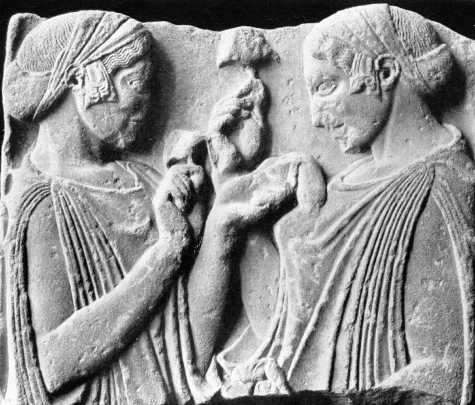
The use of substances in providing transcendent experiences goes back beyond the beginnings of our written history in the west. The shamanic tradition in Greece led to the development of the tragic plays – The great tragic plays of Sophocles and Aeschylus. The Greek word tragedy, literally means goatskin, because in the festivals of Dionysus, who was the god of wine, when the new wine was decanted everybody got really high on the new wine. It gave people permission to act like goats and as you know Dionysus was portrayed as half man and half goat. Dionysus had also been to the underworld and back, like Orpheus, another person that comes out of the shamanic traditions and into, what we call, the Greek Mystery Religions. The most prominent of the Mystery religions was one called the Eleusinian Mysteries, a mystery not in the sense of Ellery Queen, but a mystery in the sense of mystical. That rite goes back beyond recorded time and lasted for, at least, two thousand years. It was a rite built around the myth of Demeter and Persephone.
Source: Wikipedia
Persephone was out picking flowers in the meadow on a spring day and Hades came along and grabbed her, took her down into the underworld. Demeter, her mother, was distraught but Persephone was gone. Demeter appealed to the other gods for help getting Persephone back. It was of no use. So finally, Demeter since she was the goddess of agriculture and growing things, decided that she would stop everything growing. Clearly a symptom of depression.
It didn’t bother the gods because they lived on Ambrosia. But then it occurred to them that if the human beings starved to death there’d be no one to worship the gods. That got to them and they agreed to help Demeter and prevailed upon Hades to let Persephone come back, but she had sampled maybe one or seven seeds from a pomegranate. The way those myths work, she couldn’t be completely freed of Hades and had to, ended up spending half her time in Hades and half with her mother. Thus, the variation of the seasons. So the myth is about going into the underworld and coming back, basically, about death and rebirth. It appears to have involved an ergot-derived substance, a psychedelic. We don’t know exactly because the Eleusis were sworn to secrecy and the secret was never revealed – two thousand years. All of the major people, all the intelligentsia, many of the regular people of Greece were initiates. They could do it once. Pindar, the famous poet, who was also an initiate, along with Plato and Xenophon and the whole, even to the Romans, Cicero was an initiate. Marcus Aurelius was the last Roman Emperor, was an initiate. The whole thing [The Eleusinian Mysteries] was killed when Calvin Constantine converted the Roman Empire to Christianity. Pindar says, not revealing a secret, but says of the right, it was an experience dying before dying. But as I said, Constantine saw the Ring of Fire and decided that the Roman Empire should become Christian, they should stop persecuting the Christians and become part of it. And so Christianity doesn’t have a very good track record with substances other than wine and Eucharist, which are psychedelic for a very limited group of people who are intensely into the sacred technology of the mass.
Huxley and Humphry Osmond
So the middle ages is a kind of, in the west, it’s a kind of desert, as far as psychedelics are concerned. And we don’t really find anything of interest until we jump up to the 19th century. Havelock Ellis took peyote on Good Friday, 1897. He wrote it up for the British Journal of Medicine, they rejected it – too fantastical. His other major work, which was in The Psychology of Sex, seven volumes – sold very well. He gave some peyote buttons to William Butler Yates, who realized that we’re all slouching towards Bethlehem.
Humphry Osmond worked a little mental hospital up in Saskatchewan and began experimenting with LSD [and mescaline]. Aldous Huxley somehow learned of this work and said, “If you’re in LA, come by and see me.” Osmond didn’t think it would ever happen, but in fact, there was a bureaucratic problem at the hospital. They needed to reorganize and move Osmond up and get rid of the guy that was above him, and so while they were doing that, they sent Osmond off to an APA convention in LA – where he got in touch with Huxley. They went to a few sessions of the APA convention and were bored to tears. So they adjourned back to Huxley’s place and Osmond turned him on. It took about 90 minutes before it really hit him and then it blew his mind. Huxley was the author of Brave New World andApe and Essence. Huxley was one of the major intellectuals in the 20th century and an enormously successful author, half blind, but intensely intellectual. He was part of a circle of people that stretches back really to Havelock Ellis and Hermann Hesse [Who wrote Siddhartha andThe Glass Bead Game ], and Carl Jung.
But the psychedelic experience was restricted to a very small elite. Huxley, upon trying the mescaline, called it the most extraordinary and significant experience available to human beings this side of the beatific vision. (The Doors of Perception, he produced as a result of it.) In there, he mentions CD Broad, a British philosopher who characterizes the brain as a cerebral reducing valve. Huxley’s first theories here was that psychedelics eliminate some of the filterings of the brain. Fairly crude though, we have a lot more sophisticated stuff now. Robin Carhart-Harris has advanced that considerably.
Huxley was also friends with a fellow named Gerald Heard, who was again, a major intellectual personage in the early-mid 20th century. The two of them eventually came into contact with a guy named Al Hubbard, nicknamed Cappy, because he was the President of the Vancouver Yacht Club and also the Uranium Corporation in Vancouver. He is best described as a kind peripatetic imp. He rode off to Sandoz and got a huge supply of LSD and I guess carted around the world turning people on but kept it limited to a very small group of people like this.
There’s Gerald Heard, there’s Oscar Janiger, who was a psychiatrist in Beverly Hills, who found out about LSD, got a large supply of it and a group around him Huxley, Heard, Hubbard, Janiger, Sidney Cohen, they were involved in a salon in the LA area. Their recording secretary was Anais Nin. Janiger also obtained DMT and introduced that into the whole thing.
Humphry Osmond first proposed the term psychedelic at a meeting of the New York Academy of Sciences in 1957. He said the word meant “mind manifested” from the two Greek words for psyche and delos, which means clear. Huxley had sent Osmond a rhyme, which went, “To make this trivial world sublime, take a half a gram of phanerothyme. Thumos means spiritedness in Greek. Osmond wrote back, “The fathom hell or sore angelic, just a take a pinch of psychedelic.”
Tim Leary
Now until Tim Leary came along, the psychedelic usage, although it was a growing circle, was pretty much limited to a fairly elite circle, a circle of intellectuals and a few housewives, as you saw before. But then Timothy Leary got a hold of psilocybin and this is a major turning point because Tim Leary couldn’t contain himself. And, in some ways, he advanced things enormously and in other ways, he set them back terribly. But certainly, and there you see him in some of his many guises.
The basic issue was he had started out doing reasonable research at Harvard and he couldn’t keep it in and started spewing it out. So you get the stuff starting to come out into settings that are not conducive to people getting the best out of it. And he became involved with these folks – Good old Alan, William Burroughs, some of you may know he was heir to the Burroughs fortune, the Burroughs adding machine.
So, here we have these guys, Kerouac, On the Road, and Alan Watts, who was a great talker. So East Coast, we’ve got Tim Leary, and West Coast we got, Ken Kesey, Neal Cassady, coming out of on the road.
There’s the bus, the first acid tests, which morphed into the trip festivals, which morphed into Burning Man. The first Human Be-In and down there in the corner is one of the sponsors, Augustus Stanley Owsley III, who had a girlfriend who was good at making LSD and he produced zillions of doses really cheap.
But we have some problems here, the war. Psychedelics and the anti-war movement started synergizing each other and the government got really scared.
They (the government) had been interested in LSD early on. There was a guy named James Moore who accompanied Wasson (Gordon and Valentina) to Mexico under the pretext of being the photographer on one of those CIA plans. He (Moore) brought psilocybin back to back to the CIA. They were interested in it because it having mind effects – they discovered when they gave it to the spies, those hardened spooks ended up over in the corner weeping and crying about brotherly love. Other than the ones that ran frantically out of the room and had to be chased down in Virginia where they were found under a fountain talking about those terrible eyes and the monsters that were insulting them. So, it didn’t work out for the CIA.
Prohibition – California criminalized LSD on October 7th, 1966 and that’s when things started to head down because it drove it underground and that’s the worst thing you can do. I mean, prohibition, it’s like, “Will we ever learn?” We tried prohibition with alcohol. When I lived in Oklahoma, one of the lines there was, “It was so dry.” There were some dry counties in Oklahoma in the 1970’s, and the line was, “They would remain dry as long as the Baptists and the bootleggers could stagger to the poles.” It (psychedelics) went underground and at the same time proliferated.
Sasha Shulgin, wonderful man, wonderful, wonderful man. He could give a lecture on chemistry that was just if you didn’t know a bit about chemistry you would be fascinated. And there he is with his wife Ann and immortalized by Alex Grey. And there’s one of his “dirty pictures” down there in the corner, he called them dirty pictures, the molecules. There’s a great video on YouTube about Sasha called, Dirty Pictures, wonderful video.
And here are other folks – Richard Alpert, of course, was with Tim Leary at Harvard early on, but they diverged, India took on Alpert but it didn’t take on Tim. And we see Alpert in an early phase down there in the corner, we see him in his post-India phase when he turned back into just an ordinary transcendental. We have the intellectualization of Ken Wilbur, and we have a leprechaun fully as filled with impishness as was Cappy, Terry McKenna. That book (Be Here Now), I remember going to the church in LA after Ram Dass had come back from India and it was lovely and there were robes and beads and flowers and it was just fun. They were passing out this thing that says, “If you want a copy of this book we’re gonna publish, fill out one of these cards.” We were going, “Oh, these hippies, I’m not gonna bother filling out the card, ’cause it will never happen.” But it did and it’s still in publication.
Stanislav Grof
As the glorious phase was being dampened by the criminalization and all, there came from Czechoslovakia, the Stanislav Grof, where Stanislav Grof had been, when I was graduating from gymnasium (Gymnasium is like high school/junior college). The summer after gymnasium Stan wanted to become a cartoonist, he liked to draw cartoons. He was headed for the Saint Animation School. He had put in his application because you go right from gymnasium to university or professional school. Then a friend of his came by who had found a copy of Freud’s Interpretation of Dreams. (Freud was forbidden literature in community culture, Czechoslovakia, behind the iron curtain at the point). The friend was very excited about the book, you know try to get a college kid today to read the Interpretation of Dreams, it’s impossible, but tell them they can’t and boy!
Stan picked up the excitement and begged to borrow the book and he said he stayed up all night reading it. Stan then withdrew his application to film school and put in one to become to medical school. He wanted to become a psychiatrist and a psychoanalyst, which he did. Stan trained underground, doing his residence at Charles Hospital in Prague where they were working with the Sandoz Corporation in the development of some of the new major tranquilizers (Mellaril is what they were working with). Stan said, “You know when you work on a pharmaceutical company they’re always sending you stuff,” and they sent something to the program he was, and there appeared a box of ampoules of LSD from Sandoz Laboratories. They started a research program that was totally the opposite of what Tim Leary’s operation was. The communist country, people lay things close to their chest – amazing research. Curing, curing! It was not suppressive like most of the psychotropics, the tranquilizer drugs. They cured the people of profound depression.
In his book, (now called, LSD: Door to the Numinous, It was called, Realms of the Human Unconscious originally), Stan shares a story of a fellow who was severely catatonically depressed for a long time was given LSD. Their practice was to give a small dose of LSD at first, but he didn’t get anything from it so they had increased the dose and kept increasing it. They had got this guy up to 3500 micrograms before they got the first reaction. The guy got up out of his room, went to the kitchen, made a bologna sandwich, and then went to the day room and played chess.
So, Stan got out of Czechoslovakia to this country (USA). Stan said he came out with two suitcases, which contained his notes and two shirts. He then fortuitously hooked up with a man named, Walter Pahnke, who had Timothy Leary in his still relatively stable phase as a dissertation advisor and engaged the famous Good Friday experiment. Walter Pahnke was a physician who had taken a sabbatical to go to divinity school, and then went back to Johns Hopkins and began working with cancer patients on whom the oncologists had given up because they were beyond any help. They were in pain, they were in despair, they were scared, and they were using LSD with these patients. All the videotapes have gone, the last little bits of videotape burned when Stans house burned down some years ago.
Most astounding videotape is a guy who was a stevedore on the docks of Baltimore, in his 60’s, metastasized melanoma, they couldn’t give him anything orally and they had to inject him with dipropyltryptamine. Stan is sitting for him and in the course of this session, this man goes from a sort of Neanderthal with like maybe a vocabulary of 600 words, half of which are profanities, but mostly grunts. His family had abandoned him and in the course of this session he is transformed and he’s lecturing the great doctor Stanislav Grof about the “great recycling yard in the sky.” I cried. I’ve been through throat cancer myself. I’m with people who are cancer survivors and who are still facing terror and with 35, 40 years we could have been making it better. But we’re getting there, finally. I never thought it would happen.
Here’s Stan with Christina, when they were young and in love. They always were in love. There’s Stan with Albert Hoffman. He and Stan were good buddies.
The John Hopkins research fell apart when LSD became criminalized. Michael Murphy and Stan fortuitously hooked up and Murphy invited Stan to Esalen as scholar-in-residence. After a few years Stan needed to produce an income for Esalen, so he put together the technique called, “Holotropic Breathwork.” When I was telling Stan for the second time, the reason I decided on holotropic breathwork training was that I had an experience with holotropic breathwork that was identical with the most powerful experiences I’ve ever had with LSD. Stan said, “That’s what convinced me too.” It’s not like taking a pill and you don’t have any choice, ’cause you gotta work at it, that’s why it’s called breath work – but you can get to the same place.
Creativity
Rick Doblin was part of the first Holotropic Breathwork training. There were two parallel groups of trainees of Holotropic Breathwork in the mid-80’s. Rick Doblin was in one of them. Rick got it that Timothy Leary wasn’t the way to go. The way to go was to start, get the credentials, go slowly, and slowly, and slowly. (It’s effective). Through the Holotropic Breathwork training, it’s brought people together that have an interest that was disappointed as the 60’s began to fade. A fellow named Michael Mithoefer, who became the lead researcher for MDMA. So, the Holotropic Breathwork stuff really has been the leverage that’s kept things going, where we actually have hope now that we’re going get this (psychedelics becoming legal as medicine).
I was saying to Stan, “Isn’t this great that Michael’s doing the MDMA research.” And Stan says, “Yeah, but you know, that’s all been done, it’s all been written up before. It’s all there. It’s just been forgotten. The real potential is creativity.”
And indeed, from counterculture to cyberculture. Rick has been working in the psychological realm and some of the other people that came out of the 60’s, Steve Jobs, among them. The future looks bright to me. And I’m sure happy I’ve lived long enough to see it.
Are you looking for a basic introduction to psychedelics and harm reduction? Check out this mini-course!
The consumption of 5-MeO-DMT by inhaling bufotoxins from the Colorado River toad (lat. Incilius Alvarius), also known as “Bufo Alvarius”, “El Sapo/Sapito”, “Bufo”, and “Toad”, has become increasingly popular in a variety of underground ceremonial settings in recent years. Furthermore, due to the realization of the potential 5-MeO-DMT holds for therapy it has also become a new interest in psychedelic research.
When I started psychedelic research for my dissertation at Maastricht University in fall 2017, there was no research addressing the subjective effects from inhalation of bufotoxins in humans. Thus, I brought it upon myself to investigate this further as the consumption of the so-called “toad-medicine” was booming worldwide.
The primary aim of the study was to investigate whether the bufotoxins from the toad, which is known to contain significant amounts of 5-MeO-DMT, as well as other compounds, produces long-lasting changes on affect and thinking style. The second objective was to assess whether the acute and long-term effects of the bufotoxins depend on the degree of ego dissolution and altered states of consciousness that was experienced during the ceremony. The preliminary evidence of this study was presented at the Beyond Psychedelics conference in Prague in June, and the recording of this presentation is now circling around on the web.
Even though the study results are very interesting and important to highlight due to the consumption of the “toad-medicine” worldwide, I think it is of equal importance, if not more, to shed light on another side of the story. A side of the story that for once does not focus on humans.
This article aims to share information, increase awareness, and stimulate reflection about how the consumption of bufotoxins affect the toad.
5-methoxydimethyltryptamine (5-MeO-DMT) is a potent, fast-acting, natural psychoactive indolealkymine substance, which acts as a serotonin (5-HT-1-A/5-HT-2A) receptor agonist (Shen, Jiang et al. 2010, Szabo, Kovacs et al. 2014). 5-MeO-DMT was initially isolated from the bark of Dictyoloma incanescens (Pachter 1959), and has also been found in the milky-white secretion that protects the Incilius Alvarius toad against predators (Weil and Davis 1994).
This toad, also known as Bufo Alvarius, has become well-known worldwide as a “5-MeO-DMT-making-machine”. Its secretion, when inhaled through vaporization, has proven to be powerfully psychoactive within 15 seconds, causing an experience of unity reported by participants in underground ceremonies in the most repeated soundbite “we are all one” (Weil and Davis 1994).
The presence of 5-MeO-DMT in the secretion is not the only substance that makes the toad so interesting. In fact, it is also the only species whose skin contains 5-methoxyindolealkylamines as well as 5-hydroxyindole-O-methyl transferase activity (Erspamer, Vitali et al. 1967). This enzyme, among other reactions, converts bufotenine (5-OH-DMT) to the potent hallucinogen 5-methoxy-N,N-dimethyltryptamine (5-MeO-DMT) (Weil and Davis 1994).
That being said, bufotoxins are the name of a collection of compounds which can be found on the toad’s skin, and in the two glands behind the eyes called the parotid glands (Tyler 1976). Several types of toxic and non-toxic substances can be found in the bufotoxins and they include the following; cardioactive agents such as for example bufagins (bufandienolides), catecholamines such as epinephrine and norepinephrine, indolealkylamines such as bufothionine, serotonin, cinobufotenine, bufotenine and dehydrobufotenine, and finally noncardiac sterols, which are non-toxic, such as cholesterol, provitamin D, gamma sitosteral and ergosterol (Chen and Kovaříková 1967). Moreover, as illustrated in the work for Erspamer and colleagues (1967) using paper chromatography, the bufotoxins include not only 5-MeO-DMT but also many other compounds. As previously mentioned, these compounds protect the toad from predators, and can, for this reason, have fatal consequences as demonstrated by reports of animals that have died after biting toads.
Sign up for our Introduction to Psychedelics Course!
Although these bufotoxins are a natural defense mechanism of the toad, humans have found a way of using them for a different purpose. At the present time, a number of people are smoking bufotoxins at underground ceremonies. Moreover, many also make use of 5-MeO-DMT from plant extract (i.e. yopo) or from a synthetic origin. A recent survey by Johns Hopkins demonstrates that use of 5-MeO-DMT, from either toad, plant extract or synthetic origin, is used infrequently and primarily for spiritual exploration (Davis, Barsuglia et al. 2018). Anecdotal, and empirical evidence demonstrates that people also use 5-MeO-DMT for treating psychiatric conditions such as depression, anxiety, posttraumatic stress disorder and substance abuse (Psychedelic Times, 2016). The resulting subjective effects appear to be due to the compounds ability to induce mystical experiences which have been demonstrated to have lasting beneficial effects (Garcia-Romeu, R Griffiths et al. 2014).
To be able to inhale the bufotoxins one would have to “milk the toad.” It is worth noting that the toads hibernate for most of the year, and generally appear just before summer showers, and congregate when the rains begin for reproduction (Fouquette Jr 1970). This is the time when they can be found and milked. The pamphlet titled “Bufo Alvarius, the Psychedelic Toad of the Sonoran Desert” outlines detailed instructions for collecting and drying the venom;
“You hold it [wearing gloves] over a flat glass plate or any other smooth, nonporous surface at least 12-inches square, the toad is held in front of the plate, which is fixed in a vertical position. In this manner, “the venom can be collected on the glass plate, free of dirt and liquid released when the toad is handled” (Most 1984).
Moreover, from the article Weil and Davis from 1994:
“One Bufo Alvarius yield 0.25-0.5 gram of dried venom. Since concentrations of 5-MeO-DMT may be as high as 15% one toad may yield 75 mg of an hallucogenic drug that, when smoked, is effective in humans at doses of 3-5 mg. In other words, a single toad produces 15 or more doses of one of the most potent psychoactive drugs found I nature. A matchbox sized container would represent thousands of effective doses.”
With this in mind, it is no wonder that the harvest and consumption of the toad’s bufotoxins have increased.
The harvesting of the toad’s bufotoxins happens not only from the hands of facilitators of ceremonies, or consumers but also from toad-hunters such as the ones filmed in “Hamilton’s Pharmacopeia: The Psychedelic Toad” who after harvesting the bufotoxins sell it (VICELAND 2017). In the video clip, the toad-hunters report that they have collected around 500 grams of bufotoxins over the years. This equals 5,000 doses if one dose is 100 milligrams of bufotoxin, and means that in order for one person to have the experience at least two toads must be milked.
Colorado river toad (Incilius alvarius), also known as the Sonoran desert toad.
Now how does the harvesting and consumption of bufotoxins impact the toad?
At this point in time (October 2018) the toads are classified as “least concern” on the IUCN Red List of Threatened Species (Hammerson & Santos-Barrera, 2004). Although this may be true, these assessments are from 2004, and is therefore very likely to be outdated. A new assessment about the toad’s population size is highly warranted given the attention the toad has received and the consumption of the toads’ bufotoxins worldwide.
Nevertheless, it is not old news that the amphibian population worldwide is declining. Actually, their global decline was first recognized in the early 1990s (Wake 1991). As of 2010, 32% of the world’s nearly 6600 amphibian species are threatened with extinction, 43% are experiencing declines and for another 22%, there are insufficient data (Stuart, Chanson et al. 2004). This phenomenon represents the Earth’s sixth mass extinction (Wake and Vredenburg 2008). That being said, there is no single cause to the global amphibian decline, rather there may be several contributing factors (Hayes, Falso et al. 2010). As outlined in the paper by Hayes and colleagues, there are three levels of possible factors for the amphibian decline.
The first level involves 1) death (or removal) of individuals and 2) reduced recruitment within a population. (Editors note: recruitment occurs when juvenile organisms survive to be added to a population, by birth or immigration, usually a stage whereby the organisms are settled and able to be detected by an observer. Source – Wikipedia
The second level involves 1) increased disease rate, 2) decrease in nutrition, 3) predation, 4) human exploitation 5) “other mortality”, which represent everything from the death of older individuals, incidental death, to catastrophic events.
Finally, the third level involves 1) atmospheric change, 2) environmental pollutants, 3) habitat loss, 4) invasive species, and finally 5) pathogens. These levels are also suggested to interact with one another.
It is not rocket science that the above-mentioned factors also have an impact on the toad. The increasing demand for the bufotoxins for inhalation has made the toad susceptible to not only ecological disturbance through the invasion of habitat and excessive milking, but also amphibian-trafficking and black-market dynamics. Additionally, according to herpetologist Robert Anthony Villa, the largest toads are most likely to be spotted and collected over smaller toads, and if you remove the biggest toads, you remove the population’s ability to sustain itself as the bigger toads have a lot of eggs (Psychedelic Today 2018). Moreover, based on studies on snakes, we know that 80% of snakes die if you catch them, move them to a different territory and let them go. Similarly, toads have an inner-GPS that they rely on, and if a toad is taken out of their territory for milking, and then set free elsewhere, they are very likely to die because they are either simply lost, could get run over by a car, or eaten by predators. The latter is more likely to successfully happen when the toad has been deprived of their main defense mechanism.
Along with that, Villa reports that the toad is very likely to be impacted negatively by pathogens, such as for example chytridiomycosis, which is exposed to them by people when they are collected for milking and can spread to the rest of the toad population. Additionally, as the surviving toads depend on the genetic variety of other populations to sustain themselves, the toads would inbreed themselves to extinction if there are no other populations to copulate with. Finally, keeping a toad as a pet, or many in large conservations for breeding, is a huge disservice to the toad as they do not do well in captivity, and due to the factors previously stated.
Given the circumstances, it seems to me that the harvesting and consumption of bufotoxins or so-called “toad medicine” is very much the case of the “double effect” principle; with a good act, comes a bad consequence. The aforementioned are all alarming factors that could very well lead toward population decline and so to extinction. This is all startling information that calls for action.
A discontinuation of “toad medicine” in favor of synthetic 5-MeO-DMT use can diminish the current unnecessary and excessive harassment of the Incilius Alvarius species. Switching from using toad bufotoxin to synthetic 5-MeO-DMT is better for many other reasons. First, synthetic 5-MeO-DMT does not contain a cocktail of other compounds and is therefore much safer to use. Likewise, it will be much easier for researchers to re-schedule and legalize a pure substance for medical use than a complex bufotoxin. Second, synthetic 5-MeO-DMT is not any different from “toad-medicine”. In fact, the argument that “toad-medicine” is better than synthetic is a claim that is drawn from personal experience and is not a good enough argument to extend to a generality.
I personally think it is important that we start to reflect upon the implications our actions have on the toads and take action. It is not necessary to wait until the toads are classified as endangered before we act.
My hope and wish for the future is that all of us, be it, consumers, researchers, organizers, or facilitators, will think twice about whether experiencing 5-MeO-DMT at the expense of a species’ continued presence on this planet is worth it. Especially when there is an alternative way which is much safer to use, not any different from the effects of the bufotoxins, and does not contribute to ecocide.
The book “Homo Deus; A Brief History of Tomorrow” highlights several important and interesting topics. One of them is the power human beings have, and how this power can affect the future of the planet. One thing that Harari points out, which seems to be very fitting for this moment, is that humans have the capability to do many things, but that question is not “what we can do?”, but rather; “what should we do?” (Harari 2015).
References
Chen, K. and A. Kovaříková (1967). “Pharmacology and toxicology of toad venom.” Journal of pharmaceutical sciences56(12): 1535-1541.
Davis, A. K., J. P. Barsuglia, R. Lancelotta, R. M. Grant and E. Renn (2018). “The epidemiology of 5-methoxy-N, N-dimethyltryptamine (5-MeO-DMT) use: Benefits, consequences, patterns of use, subjective effects, and reasons for consumption.” Journal of Psychopharmacology: 0269881118769063.
Erspamer, V., T. Vitali, M. Roseghini and J. M. Cei (1967). “5-Methoxy-and 5-hydroxyindoles in the skin of Bufo alvarius.” Biochemical pharmacology16(7): 1149-1164.
Fouquette Jr, M. (1970). “Bufo alvarius.” Catalogue of American Amphibians and Reptiles (CAAR).
Garcia-Romeu, A., R. R Griffiths and M. W Johnson (2014). “Psilocybin-occasioned mystical experiences in the treatment of tobacco addiction.” Current drug abuse reviews7(3): 157-164.
Harari (2015). Homo Deus: A Brief History of Tomorrow.
Hayes, T., P. Falso, S. Gallipeau and M. Stice (2010). “The cause of global amphibian declines: a developmental endocrinologist’s perspective.” Journal of Experimental Biology213(6): 921-933.
Most, A. (1984). Bufo alvarius: The psychedelic toad of the Sonoran desert, Venom Press.
Pachter, I. J. Z., D.E.Ribeiro, O. (1959). “Indole alkaloids of acer saccharinum (the Silver Maple), Dictyoloma incanescens, Piptadenia colubrina, and Mimosa hostilis.” J Org Chem24: 1285-1287.
Shen, H. W., X. L. Jiang, J. C. Winter and A. M. Yu (2010). “Psychedelic 5-methoxy-N,N-dimethyltryptamine: metabolism, pharmacokinetics, drug interactions, and pharmacological actions.” Curr Drug Metab11(8): 659-666.
Stuart, S. N., J. S. Chanson, N. A. Cox, B. E. Young, A. S. Rodrigues, D. L. Fischman and R. W. Waller (2004). “Status and trends of amphibian declines and extinctions worldwide.” Science306(5702): 1783-1786.
Szabo, A., A. Kovacs, E. Frecska and E. Rajnavolgyi (2014). “Psychedelic N, N-dimethyltryptamine and 5-methoxy-N, N-dimethyltryptamine modulate innate and adaptive inflammatory responses through the sigma-1 receptor of human monocyte-derived dendritic cells.” PloS one9(8): e106533.
Wake, D. B. (1991). “Declining amphibian populations.” Science253(5022): 860-861.
Wake, D. B. and V. T. Vredenburg (2008). “Are we in the midst of the sixth mass extinction? A view from the world of amphibians.” Proceedings of the National Academy of Sciences.
Weil, A. T. and W. Davis (1994). “Bufo alvarius: a potent hallucinogen of animal origin.” Journal of ethnopharmacology41(1-2): 1-8.
About the Author
Malin Vedøy Uthaug is a Ph.D. student at the University of Maastricht, Department of Neuropsychology & Psychopharmacology. She has a background in health and social psychology and is currently researching psychedelic (ayahuasca, 5-MeO-DMT, DMT, and mescaline) and yoga-induced improvements of mental health. On the side of being a student and researcher, she is a life coach and public speaker. She started her coaching project titled Love & Gratitude in September 2016 which serves as a platform to spread information related to positive psychology, and transpersonal psychology. Love & Gratitude has also become a way to bring about information about psychedelics and help to destigmatize them. She has since September 2016 delivered talks, webinars and workshops in Belgium, The Netherlands, Czech Republic, Norway, United States of America, and Colombia.
You can find more from Malin on Psychedelics Today here.
For the first time in nearly three decades, novel classes of medication are being offered to those suffering from chronic refractory mental health conditions. Studies have shown that 60% to 70% of people with treatment-resistant depression respond positively to ketamine, and some encouraging results are being found with OCD, PTSD, and alcohol dependence.
Though this discovery has been hailed as a massive boon to those living with persistent mental health concerns, their loved ones, and clinicians alike, it may also behoove us to explore the potential unintended consequence of these effective, fast-acting antidepressants.
Many welcome rapid recovery with relief and gratitude in being able to return to their lives; however, in our work with Ketamine-Assisted Psychotherapy, we have noticed that a small percentage of clients also experience a period of disequilibrium and difficulty in adjusting to these changes.
These reactions can range from over-reliance on older coping styles that no longer match one’s current state, to the distress that comes from the loss of a habituated identity (“I don’t even know who I am anymore, without my old buddy, Depression”). I have come to refer to this response metaphorically as “the therapeutic bends,” as a way to suggest the effects that can occur when we ascend rapidly from great depths. In two decades of clinical work, I have seen a variety of ambivalent-to-negative reactions to the prospect of “getting better.” Psychotherapy generally offers recovery as a gradual process, with adequate time to adjust and be supported; the “instant cure” has been seen as both unattainable and potentially illusory. The advent of these new treatments requires a shift in how we guide people through this work. I would like to discuss here some possible layers where distress can occur, and interventions for both clients and providers to consider at each level.
Confronting Reality: Cognitive-Behavioral Layer
Ketamine infusion pioneer and psychiatrist Dr. Steven Levine has been noting this reaction for some time; in a recent blog post, he encourages providers to set expectations with clients that “even good change is stressful (marriages, moving homes, new jobs, and the birth of children are some of life’s most stressful events).” More dramatically, he describes a process in which one emerges from a depressive episode, then becomes overwhelmed by the herculean tasks ahead:
[W]hen one looks around, one sees with new eyes the surrounding devastation and the casualties from an incapacity to do anything about the growing problems…[this] is akin to a poorly prepared survivor of a nuclear apocalypse stepping out of his bunker into a lonely world of destruction.
Dr. Raquel Bennett, a psychologist and founder of the KRIYA Institute, has also been observing the effects of therapeutic ketamine on one’s sense of self for many years. She echos Dr. Levine’s observations that:
Resistance can come up for some people; they get a little better, and then can get scared, sometimes retreating back into a remission, which is actually more psychological than chemical… People wake up and realize how much time was lost to their illness, how much money was spent, how many relationships ruined, how many opportunities missed… We need to think about how painful it is to just be with that, what this condition has done to one’s life (personal communication, August 12th, 2018).
Additionally, those accustomed to very brief respites from symptoms may have a habitual tendency to throw themselves headlong into intense task completion mode the moment remission begins, in an effort to “get everything that piled up done before the storm hits again.”
FOR PROVIDERS: Dr. Levine writes that “even a ‘magic bullet’ leaves a wound that requires a period of recovery,” and that key components to this recovery are social support and ongoing therapy. Therapy should, in part, focus on “teaching new skills to challenge and combat depressive thoughts, and working towards achieving successes that help rebuild self-esteem.“ Similarly, Dr. Wesley Ryan states that he frames ketamine treatment as something that can provide a catalyst for change, transiently lifting depression, and allowing people to more easily engage in other activities that will protect against relapse. He encourages “regular exercise, healthy eating, socialization, behavioral activation, structure/volunteering/work, work/life balance, addressing activities or relationships that clash with personal values (such as work, for some people), potentially setting better boundaries” (personal communication, August 13, 2018). Providers may want to focus here on slowing the work down so as to not trigger overwhelm, cognitively reframing approaches to task completion, and teaching new ways to manage the demands of life. Psychotherapists may also invite expressions of regret and grief around the sense of lost opportunities as a way to work through these feelings effectively. FOR CLIENTS: As stated above, it is important to not overwhelm yourself at this stage. Trust that you will have the opportunity to make repairs and address life tasks over time, and please access as much support as possible to assist you in this undertaking. This is an excellent time to begin practicing new self-care habits that will ensure longer-term change. Additionally, you may benefit from making space in your life to acknowledge and feel any difficult emotions you may have around what has happened and talking to someone you trust who can listen without judgment. You may want assistance from a therapist, support group, or a good self-help guide in shifting how you think about yourself and your life.
Readjusting Roles: Interpersonal Layer
Dr. Bennett notes that often people’s intimate relationships become organized around the care-giving other people provide, and that “as soon as they start to improve, expectations and the relationship dynamics start to change.”
In family therapy perspectives, the “identified patient” (also “symptom bearer” or “scapegoat”) is a member of a dysfunctional system that has been unconsciously selected to express the distress of that system. Other members may profess concern for the identified patient, but may also react instinctively (and unintentionally) to any improvement by working to reinstate the status quo. What once seemed like an entirely biochemical illness can often be revealed as multiply determined when we notice loved ones’ discomfort with their ward slipping out of “sick role.” I have often felt concern in watching someone achieve remission, and then return to the same stressful environment in which the initial problems flourished. In less pathologizing terms, let us remember that there is a social expectation in the continuity of the self over time. People around us have adapted to how we typically act and express ourselves, and react with surprise when that shifts. Those reactions may subtly encourage us to return to our previous baseline. This is rarely intentional, but is extremely important to recognize. FOR PROVIDERS: Potential interventions to navigate through this period might include family therapy, couples therapy, or psychoeducation on the nature of family systems or group dynamics. We can assist clients in setting appropriate boundaries, and support them in having difficult conversations. FOR CLIENTS: If this is something you would like to address in your life, please talk to your providers about your specific situation and best practice interventions. It may be helpful to talk through how your relationships might change if your mood improves, or any fears of what might be expected of you if your condition shifts. In general, reading about and practicing Nonviolent Communication is a good way to improve relationships with the people around you.
Exploring Identity: Personal Layer
Much like our intimate others, we also have an expectation in the continuity of the self. When one has lived with a longer-term condition, there are ways in which it can get woven into one’s own identity. We become habituated to our capacities for activity and relating, and depend on our ability to predict how we might think and feel in any given situation.
It can be incredibly disorienting when a cluster of your regular experiences disappears overnight, and can foster a sense of not knowing yourself at all anymore. (This may be partly responsible for the “rubber band effect”–the tendency to return to our usual modes of being–that Dr. Phil Wolfson discusses in The Ketamine Papers.) Participation in online forums and support groups can provide invaluable insight and camaraderie; as helpful as this can be, it may also reify one’s social role as a fellow sufferer. We come to define ourselves as a depressed person, as someone struggling with fibromyalgia, as a recipient of Social Security or disability benefits. (Perhaps this is not such a novel occurrence, after all, as a similar phenomenon emerged with the advent of SSRIs. Peter Kramer noted in his 1997 book Listening to Prozac how his perspective on the nature of temperament was altered by witnessing responses to medication: “I was used to seeing patients’ personalities change slowly, through painfully acquired insight and hard practice in the world. But recently I had seen personalities altered almost instantly, by medication.” He reported similar disorientation and adjustment periods.) FOR PROVIDERS: Just as we would allow space for someone to discover new aspects of the self during a coming-out process, recognize that the remission period is also a fruitful period for exploration. Identity-making is an ongoing conversation throughout the lifespan. Acknowledge that with every new gain made, there are losses, and parts of our selves and lives that we are saying goodbye to. Inquire about the feelings that might arise during this phase. In our practice, we draw upon Internal Family Systems (IFS) techniques to help people have productive dialogues with different parts of their psyche, and discover (without judgment) what attachment to a depressed identity might mean for them. FOR CLIENTS: This is a time to look deeper at the beliefs you hold about yourself, and question their accuracy. You may consider getting reflections from someone who can listen neutrally and without agendas for your direction. A great self-help resource for IFS-style work is Jay Earley’s Self-Therapy. If you are concerned about returning to the workforce, many communities offer peer and professional support for those returning to work after a period of unemployment. This type of support should encourage autonomy, allow exploration of ability and identity, and avoid perpetuating disempowering ideas about what those with mental health struggles are able to contribute.
Letting it Out: Emotional Layer
Classic psychoanalytic conceptualizations regarding depression as “anger turned inward” can help frame the irritability or distress that may surface unexpectedly when symptoms remit. We have supported clients who, once they were relieved of depressive burdens, were then able to confront and feel appropriate anger stemming from past trauma, abandonment, or loss. This can be an incredibly healing process if one is supported by providers who understand the emerging emotional responses in context, but can be difficult to navigate on one’s own. Dr. Bennett has also observed anger and/or grief reactions, with people suddenly feeling “angry at God for making them sick, or at the situation, or all the doctors that didn’t help them previously…[W]hen this is buried or held down in the depression, and then starts to come up and out following treatment, people need therapeutic support to address that.” Though we think about depression as “sadness” and recovery as “happiness,” the reality is often not as simple. Depression can present with a numbing or flattening of emotions, and recovery may mean regaining access to a wide range of different feeling-states. Learning to navigate these states is essential. FOR PROVIDERS: Set expectations for all involved that recovery may involve unearthing unanticipated feelings and memories. Trauma-informed treatment is essential when working with some of these frozen states. Encourage safe expression of affect in session, and offer psychoeducation around appropriate assertiveness, boundary-setting, and anger management techniques. Teaching and practicing grounding exercises, such as the ones in the Seeking Safety protocol, can help people learn to re-regulate themselves when distressed. Additionally, Dr. Bennett notes that some continue to have suicidal ideation, but a critical shift occurs in its source, moving from a ruminative, painful “voice in your head that tells you that you’re better off dead,” to a response of grief, loss, or anger. She emphasizes the critical importance of attuned listening by clinicians to differentiate these sources, rather than assuming that the treatment was unsuccessful. FOR CLIENTS: If strong feelings are emerging during your treatment, please talk to your providers and request specific support for these states. If you are feeling suicidal, please reach out for help from your support network, call a hotline, or access urgent/emergency care. We recommend you do not navigate this process on your own. If you would like to learn techniques to manage anger, you may find an Anger Management Workbook useful. Interpersonal process groups and assertiveness trainings may also be appropriate. We highly recommend the grounding techniques from the Seeking Safety protocol for those looking to manage the overwhelm that results from a history of trauma.
Digging Deeper: Unconscious Layer
Above all, we must make space for the deeply personal and idiosyncratic responses people have to both their symptoms and the remission of those symptoms. We can not assume that this process has identical meaning for everyone we see. Honoring the uniqueness of the self and its adaptations to life’s challenges is part of what gives this work its beauty and depth.
Furthermore, meaning is held both consciously and unconsciously. Deep structures of the self are laid down early in life, in the interactions between temperament and environment, and are rarely available for immediate reflection. It is the work of ongoing inquiry in the therapeutic relationship to bring these templates into awareness. For example, I have had the experience of working with people who were eventually able to articulate their depression as the only link remaining with a lost loved one; there is a way in which these symptoms served as tributes to the depth of their connection. Rapid removal of these mood states may then trigger responses of loss and abandonment. Other clients have also formulated depressions as a coping tool itself: as a protective layer that prevents one from having to engage fully in life, an escape from having to make difficult choices, or an avoidance of confronting painful realities. Another example is indicated by psychoanalyst Patrick Casement in On Learning from the Patient:
I have noticed, with a number of patients, that the experience of feeling better is sometimes treated by the patient as a signal for further anxiety. Some analysts might treat this as a fear of losing the “secondary gains from illness.” Others might regard it as “negative therapeutic reaction.” However, I believe there are some occasions when a patient is indicating that an unconscious link has been formed between an earlier experience of trauma and the prior sense of safety, as if that “safety” had been a warning signal for the pending disaster. Perhaps an unconscious set is formed in which feeling safe and the subsequent catastrophe are seen as forever linked (1992, p. 364).
FOR PROVIDERS: Although psychoanalytic and psychodynamic frameworks are fundamental to understanding the operation of these deep templates, dogmatic adherence to any one theoretical system forecloses the open exploration of individualized responses. Curious inquiry and a desire to hear about any potential meanings that may arise go much farther than the most brilliant textbook formulation. In essence: “what does this mean for YOU?” It can be helpful to explore the relationship someone has with their depression, and how that relationship has changed over time. Narrative therapy ideas and practices can assist people in re-writing the stories of their lives into a more integrated personal mythology. FOR CLIENTS: Part of recovery inherently involves an investigation into the myriad internal, interlocking factors that keep us stuck in old ways of being. Though your situation will be completely unique, you are in fine company with the rest of humanity, as we all struggle to move out of safety and towards growth. If you sense that there have been ways in which depression has protected you from confronting difficult aspects of life, please make sure you begin to discuss this with your providers. Together, you may begin to re-author the tale of your history in a way that conveys respect for your resilience, as well as hope for the future.
Spiritual Crisis: Transpersonal Layer
We know that higher-dose journeys with ketamine can produce psychedelic, dissociative states, facilitating a profound transpersonal or mystical peak experience and expanding one’s sense of self and understanding of existence. Dr. Bennett shares that for some, this “contact with the Divine” can be intense and overwhelming, especially if there has not been much preparation for this self-expansion, and if one has been “out of touch with God for 30 or 40 years.” She also notes that the changes one can be called to make in one’s life following a peak experience can be disorienting. Psychic and spiritual content–especially following the use of psychedelics–can be mistaken for symptoms of psychosis in our highly secular culture. It is extremely important to differentiate between an illness process, and an enhanced sensitivity to transpersonal material. When held in a supportive context, these experiences can be extraordinarily meaningful to people. FOR PROVIDERS: Have conversations during the preparation phase about your client’s existential concerns, spiritual encounters, and beliefs about the nature of reality or the universe. Familiarize yourself with the techniques and mindset necessary for supporting someone during a spiritual emergence or crisis process. Contemplate the differences between a dark night of the soul vs. depression. Work to bracket your own belief systems in order to allow for free expression. FOR CLIENTS: Again, adequate preparation for working with ketamine, especially at higher doses, is essential. Please choose your guides wisely, and work closely with them to help you navigate these experiences. If you are troubled by existential or spiritual concerns following a journey and could use a framework for integration, contact the Spiritual Emergence Network for more resources, including spiritual coaches and helpful reading material. You could work with a provider that specializes in psychedelic integration, or attend a community integration circle. You may also want to seek spiritual guidance within an organized or non-organized tradition (whether Western, Eastern, indigenous, or other). The above linked material on grounding can be helpful if you are experiencing a great deal of energetic activation following treatment.
In practice, these layers are obviously intertwined, and interventions at one level may affect all others, as we present as whole beings, bringing surface-to-depth concerns to every interaction. As a final note: please know that none of this is intended to frighten you away from obtaining ketamine treatment, but rather to assure you that should you have these experiences, you are not alone, and that there are many ways to move through this phase without necessitating a relapse or causing untoward effects in your life. Being prepared for the possibility of the therapeutic bends often helps people feel less surprised or destabilized, and collaborating with your support team on how to handle this, should it arise, is of paramount importance.
Thank you so much for reading this post, and we welcome your questions and comments!
About the Author
Dr. Jessica Katzman is a licensed Clinical Psychologist with 19 years of experience as a therapist, and was trained at California Institute of Integral Studies (CIIS) in both traditional and transpersonal perspectives on healing. She is also certified as a Spiritual Emergence Coach, and approaches altered states of consciousness from a nonjudgmental, exploratory stance.
In her private practice, she specializes in integrating psychedelic experiences, supporting LGBTQQIAAP communities and gender-creative folks, addressing alcohol and substance use from a harm reduction perspective, body image issues, mood/anxiety disorders, social justice conversations, and navigating non-traditional relationships and sexuality.
After assisting a local ketamine infusion clinic with psychotherapy program development, she and our medical doctor joined forces to provide integrated Ketamine Assisted Psychotherapy for Healing Realms. She is supported by information received at the KRIYA Conference, an advanced training in therapeutic ketamine, and ongoing consultation with her colleagues in the field.
Psychedelic science and research has been getting a lot of mainstream media attention over the years and for good reason. The preliminary research suggests that psychedelics may be extremely beneficial in helping to treat mental health disorders and as tools for studying consciousness. As this research begins to hit mainstream channels, some people are left wondering, “How can I find a psychedelic guide or sitter?”
We, at Psychedelics Today, have been receiving a lot of requests from people asking for instructions on how to obtain illegal drugs or for us to connect them with people offering underground services. While we understand that many people are suffering and seeking psychedelic treatments, sometimes out of desperation for healing, it is not easy to provide advice. Unfortunately, because of the legal system and the current laws in The United States, we are unable to help you on either of these fronts.
With that stated, we can provide some general advice for those looking for alternatives or legal options. Please take the time to conduct your own research as well.
First Things First
It is important to question what your intentions are and ask yourself why you may be seeking psychedelics either as therapy or as an experience.
Are you seeking a therapeutic experience because of a mental health issue?
Are you seeking a psychedelic experience for spiritual or religious reasons?
Are you just curious to know what the experience may feel like or what it is all about?
Are you looking for a recreational experience or to have fun?
Whatever your reasons or intentions are, it is important to continue to be self-reflective and question whether or not this is the right path to pursue. Also, be sure to spend time reflecting on the risk/benefit ratio.
While psychedelics are generally considered safe both psychologically and physiologically, there are some important considerations to take into account. These medicines and substances affect everyone differently based on the set and setting as well as a person’s own biology.
If you are seeking a psychedelic experience because you are suffering from a mental health issue or looking for psychological healing, it is important to evaluate whether or not it is the best option. The research is promising, but it also requires a lot of work, support, and follow-up treatment. Psychedelics are not always cure-alls or silver bullets.
If you are seeking this treatment out of desperation because you have read how positive or healing the experience can be, it is important to note that this change does not always happen right away. It may be important to find a psychedelic integration therapist to work with after or before. Also, ask yourself, “Have I tried other options?”
There are some powerful and effective somatic-based therapies that can be extremely cathartic and healing, such as breathwork, Somatic Experiencing, and others. A list of alternatives and somatic-based therapies can be found below in the “Experiential Therapies/Approaches” section. These therapies may be worth checking out if you have not looked into these therapies before and may also be a great first step to working with non-ordinary states of consciousness.
Exploring Legal Psychedelic Therapies and Other Alternatives
Experiential Therapies/Approaches
One thing that comes to mind is why are you looking for a guide? Is it to heal trauma or some sort of mental health issue? Are you looking for a spiritual experience or a way to reconnect with yourself? Depending on your intention, there may be other techniques and tools. It may not be as “sexy” as partaking in psychedelic work, but it is important to ask yourself, “What is my intention?”
There are some really powerful therapies and techniques that could potentially be helpful depending on the intention. In regard to therapy or addressing mental health issues, starting with a form of experiential therapy could be beneficial. You could look into some of these somatic approaches that could be helpful for dealing with trauma and other mental health issues before trying to seek underground work or travel outside of the country to work with psychedelic medicines.
Finding/working with a shamanic practitioner may be helpful for some as well. The Foundation for Shamanic Studies (founded by Michael Harner) is a good starting point for finding a practitioner to work with.
Legal Therapy Options
Ketamine-Assisted Therapy
Ketamine is an interesting substance and has recently been used to help treat depression. There are ketamine clinics throughout the United States that provide treatment for depression and other mental health issues. If you are interested in learning more about ketamine-assisted therapy, check out a few of our episodes covering the topic.
Cannabis-Assisted Psychotherapy
While many people do not think of cannabis as a psychedelic, some are exploring the therapeutic potential of cannabis in a legal and therapeutic setting. There are not many clinics operating with this protocol, so it may be hard to find, but as cannabis becomes legalized in more states for medicinal use and recreational use, this may become more accessible. Here are three resources that we know of so far for cannabis-assisted psychotherapy.
Did you know that when cannabis is used intentionally and skillfully, it is psychedelic and mimics other psychedelic medicines? Our participants commonly report experiences quite similar to MDMA, Psilocybin, Ayahuasca and even DMT. Cannabis is also safe, and legal to use in Colorado in this way. As the first organization to facilitate legal psychedelic cannabis experiences in Colorado, beginning in 2014, Medicinal Mindfulness has an incredible track record of keeping our clients safe and creating profound, life changing psychedelic experiences.
Conscious Cannabis Experiences are perfect for people who are curious about psychedelics but don’t know where to start. They’re also great for experienced practitioners seeking to deepen their psychedelic practice. As trauma informed practitioners, we also work with individuals who seek deep, transformational healing. As guides, we work with creative explorers of consciousness and complex problem-solvers, pushing the edges of what is possible.
Innate Path: Ketamine and Cannabis-Assisted Psychotherapy
Innate Path, located in Colorado, is exploring the potential of cannabis-assisted psychotherapy and ketamine-assisted psychotherapy. As mentioned on their site, “Cannabis can be a powerful catalyzer of therapeutic process.”
Innate Path combines somatic processing with ketamine or cannabis assisted work, which is a unique bottom-up approach to psychedelic-assisted therapy.
Sara Ouimette Psychotherapy, located in Oakland, CA, offers psychotherapy, psychedelic integration services, and cannabis-assisted psychotherapy. As stated on Sara’s page:
When used in a particular way, cannabis can actually amplify or exacerbate your internal experience. You can become more aware of tightness or soreness in your body. Emotions are heightened; senses are more acute. You may have access to thoughts, fears, and feelings that are normally out of reach. You may even enter a trance-like state and “journey.” In these ways, cannabis can help deepen your therapy process.
One way to find a psychedelic sitter/guide is to participate in clinical research. Check out the following for more information.
Clinicaltrials.gov: This is a database of clinical studies from around the country and around the world. You can use this database to search active clinical studies on psychedelics and to search for recruitment opportunities. Just perform a simple search for “psychedelic” or anything else that you may be looking for in the search box. You can filter your search option and only search studies that are currently open for “recruitment.”
This option is not always available to everyone because of the cost of travel, accommodations and other expenses. While we understand attending a retreat or center in another country is not accessible for most, it is one of the few legal options for participating in this work. We advise doing extensive research including interviewing the retreat staff/owner and past guests before committing to international travel.
One site that we recommend for finding retreats or reviews is the Psychedelic Experience. While this site is still growing, this may be a great starting point for research. Another popular site is AyaAdvisors.
Psilocybin Retreats
Traveling to another country to participate in this work is obviously not ideal, but the option exists. Mushrooms are legal in The Netherlands, Jamaica, and Brazil. Mexico has protection for traditional medicines, and mushrooms do fall in this category.
Ayahuasca Retreats
Ayahuasca has an interesting legal status in the USA, where many groups are offering sessions in various contexts and settings from religious ceremonies (Christian or shamanic), YMCA gyms, rural retreat centers, churches, etc. Ayahuasca is legal in some countries like Peru and Ecuador. Ecuador provides licenses for shamans/facilitators while no other countries currently do.
Ibogaine Retreats
These retreats exist in Canada, Mexico and other countries around the world including where the plant is from and traditionally used – Gabon. Some facilities are very clinical and others are very traditional. Please know that Iboga and Ibogaine have some serious dangers that need to be carefully considered. There are also environmental concerns around iboga. Please don’t over-use this plant and if you go forward with it, please try to give back to the local environmental movements in Gabon.
5-MeO-DMT Retreats
We currently don’t advise people go on these retreats. The pressure on toad populations is severe and our culture’s desire for the toad venom may push this toad towards an endangered status. After interviewing toad scientists (herpetologists) we have concluded that it is not ethical to be participating in this “market”. If you feel very compelled, the more ethical path (at this point in history) is to work with synthetic molecules.
Holotropic Breathwork and Transpersonal Breathwork
Breathwork is a term used to describe breathing techniques and systems that foster self-discovery, healing, and sometimes deeply emotional and physical cathartic releases. If you have been following Psychedelics Today, you have most likely heard us talk about this technique on the show. Breathwork is actually a legal and safe way to access a non-ordinary state of consciousness. There are various schools of breathwork, but the Breathwork technique that we are most familiar with is in the lineage of Holotropic Breathwork and Transpersonal Breathwork. Holotropic Breathwork was created by Stanislav Grof, who was a pioneer in psychedelic research in the early years, and his wife Christina Grof. Breathwork can sometimes be on par with some psychedelic-like experiences.
It may not sound as sexy as psychedelic work, but do not be fooled, it can foster powerful shifts in consciousness. We have both had tremendously powerful healing experiences using Holotropic Breathwork, which plays a huge part in why we talk about it so regularly.
Conscious Breathwork and Conscious Cannabis | Medicinal Mindfulness
Medicinal Mindfulness is a Colorado-based organization that provides services in psychedelic integration, breathwork, and conscious cannabis work. Medicinal Mindfulness is a consciousness community/membership organization and education program that supports individuals and groups who choose to use cannabis and psychedelics with intention and skill. Through our Community Breathwork and Conscious Cannabis Events, we facilitate legal, accessible, safe and sacred psychedelic journey experiences that integrate the four primary paradigms of intentional medicine use: Creative, Scientific, Psychological & Spiritual. Our approach is Transpersonally aligned and somatically oriented.
You can learn more about the work at Medicinal Mindfulness on this episode of Psychedelics Today with the founder, Daniel McQueen.
Conclusion and Legal Notice
Finding an underground therapist to work with is extremely difficult because unfortunately, many of these substances are still illegal. This is why we often refer people to check out techniques like Holotropic Breathwork or to find a legal way to pursue this type of work. Remember, many underground guides are putting their professional careers and lives on the line providing psychedelic work.
We advise you to learn as much as you can before breaking any law as the consequences can be severe. If there are any questions that you think are serious enough to cause harm to yourself or others, please contact a legal professional before acting.
Psychedelics Today, LLC and its affiliates can not be held liable for any action you take. We are not doctors and therefore, cannot provide any medical advice. Please be responsible and seek professional attention when necessary.
Best of luck out there, and expect us to share as much as possible when the laws change.
As psychedelic research re-emerges from its dark ages, the world is beginning to learn about their healing potential for various psychological disorders such as post-traumatic stress disorder, depression, and near-death anxiety due to terminal illness. The research is fascinating, exciting, and seems to be catching a lot more mainstream attention. The preliminary research shows that psychedelics may be promising tools for mental health and could be the future of medicine. So the question is, how does one get involved in this work?
Joe and Kyle had the opportunity to talk with Ingmar Gorman, Ph.D.about how people can get involved in psychedelic research or in the field of psychedelics in general. Ingmar shared with us some really great information and we would like to recap some highlights. Some of the information provided is a mix between our own thoughts and what Ingmar mentioned.
Important Disclaimer: This is a fairly new field, so it is important to remember that the future of this work is not set-in-stone. Psychedelics are still illegal within the United States and many other countries around the world. While we remain optimistic for the future of psychedelic research, the landscape can shift at any moment. There is still a lot of work to be done!
First Thing First:
Ask yourself, “Why am I interested in entering into the field of psychedelic research?”
Do you want to get your foot in the door because you had an experience that changed your life or inspired you in some way? Did you have a healing experience that you want to share with others?
Do you want to give back to the community in some way by furthering scientific research or inquiry? If so, what is your expertise and area of interest?
What role can you play later on? Are there areas or specialties that need attention or growth?
Understanding and asking yourself, “Why do I want to do this? What is my motive?”
Personal or transformational experiences may not always be the best option for pursuing an active career in researching psychedelics. Psychedelic experiences can be healing, transformative, and magical, but this does not mean you have to enter into the field of science or research. There may be other options that might suit your interests better. Obtaining a professional degree can be a well-worth investment with your time and money if that is surely a path that you wish to pursue. It is important to think outside of the box.
Also, an important thing to note here is that psychedelics are still illegal. While the research and science is happening, obtaining a research position is often difficult considering the limited amount of research. This is not to discourage any of you, but just saying it will require a lot of work! While MAPS is projecting that MDMA will be legal for psychotherapy by 2021, it is still uncertain what the laws and regulations will be. We are hopeful that the future looks bright for psychedelic careers, but it is also important to err on the side of caution as well.
General Information:
Along with asking the questions above, here is some general information or advice for individuals who not wish to pursue a traditional degree. We are all hardwired differently and earning a professional degree may not be in everyone’s best interest.
Do Your Research: It is important to be well-read with the research and science behind psychedelics. If you do not have access to a journal database, check out Google Scholar or check out Academia.edu MAPS and Erowid have some great free sources from research papers to free ebooks.
Go to Conferences and Events: As in any field, it is important to try and make it to a conference or an event. The reality of our world today is that most people get opportunities because they network and seek out the opportunities. Conferences are great ways to network, promote your research or interests, and find the “others.” This is a relatively small and intimate field, and many people are approachable. Chances are you will be exposed to the most up-to-date research, learn about multidisciplinary approaches, and probably meet a lot of great people. You do not have to be a researcher or student to attend, there is definitely a place for everyone at conferences. Here are a few popular events/conferences:
The Non-Traditional Approach: There are other ways to get involved that do not require the investment your time and money for a professional degree. Are you a visual artist? Do you produce music? An interviewer? Are you a product inventor? For example, Joe mentioned during the podcast that he did not feel the need to go on to pursue a mental health degree because he does not feel like being a therapist is the thing that he wants to do right now. Instead, Joe and I are creating this podcast as a resource for the community. The bottom line, is there anything that you can contribute or create for the field? Many researchers and scientists are not artists or graphic designers and the field needs art to help convey the visual experience. Look at Alex and Allison Grey or Android Jones for example.
Develop an Expertise: Whether you are taking a traditional or non-traditional approach, I think it is safe to say that developing an expertise is a smart approach. Develop an expertise that can translate well to psychedelic research. Ask yourself, “how can I help or what can I contribute?”
Apply Your Skills: Again, think about how you can develop an expertise and think about how your skills can be applied to the field. Are you an accountant or into finances? Maybe if Rick Doblin’s dream of psychedelic treatment centers become real in the future, we are going to need lots of people to manage everything.
Volunteer: It does not hurt to reach out and develop a relationship with the Multidisciplinary Association for Psychedelic Studies (MAPS), Erowid, Zendo Project, DanceSafe, Drug Policy Alliance, or any other psychedelic organization. These organizations might be looking for a helping hand in a project or event. Volunteering can help you become connected with an organization, develop a relationship, and maybe help you land a job somewhere! Worst case scenario, you meet some awesome people.
Festival Harm Reduction Services: There are various organizations that provide harm reduction services at festivals. This may be a great way to get experience in the field. Check out the Zendo Project, DanceSafe, or Kosmicare for potential future opportunities.
Create a Psychedelic Club or Society: Local psychedelic clubs and societies are popping up all over the place. You can create your own too! You can check out our guide Tips on Creating Your Own Psychedelic Group
Psychedelic Community: Check out this new site, Psychedelic.Community to connect with others.
Stay Up-To-Date: Get the latest psychedelic news, articles, and podcasts by visiting these websites:
There are numerous ways to get involved in research projects. From self-report studies to actual participation, there are ways to get involved and possibly become a study participant. Here is a list of a few different options.
Clinicaltrials.gov: This is a database of clinical studies from around the country and around the world. You can use this database to search active clinical studies on psychedelics and to search for recruitment opportunities. Just perform a simple search for “psychedelic” or anything else that you may be looking for in the search box. You can filter your search option and only search studies that are currently open for “recruitment.”
Medicinal Mindfulness and DMTx:: Are you interested in participating in an extended-state DMT research project? Medicinal Mindfulness is currently in the process of putting a study together. Learn more at DMTx.org or sign up for the DMTx Psychonaut Training
If you are thinking about trying to get your foot in the door with psychedelic research, it is important to analyze which route you wish to take. There are many paths to choose from and you do not need always need to pursue a degree in science.
Are you currently or thinking about pursuing your Bachelor’s degree?
What are your interests? Are you interested in psychology or psychiatry? Neuroscience or neuropsychology? Chemistry? Biology? History or anthropology? Do you want to do therapy at some point? Figure out what interests you.
It is recommended if you want to do therapy or conduct scientific research to earn a degree in science and psychology.
Find a niche or a specialty: If you’re off to an early start, figure out what you may want to focus on. If you’re a psychology student, maybe focus on trauma or addiction. Current psychedelic research is mostly focused on if these substances can be beneficial for certain psychiatric or mental disorders. The research funds are not really there for “how” these substances work, but that might not be the case down the line in a few years. The field is shifting rapidly.
Go to conferences: Just in case you missed this in the last section, remember to try and attend a conference or event!
Find A School: It is suggested that if you would like to do rigorous academic/scientific research it might be important to seek out applying to a traditional school. There are schools out there doing research and it might not hurt to look into their programs. MAPS has made a list of schools that might make psychedelic research easier.
Create a Club: You can always try to create a drug advocacy/policy club at your university. If you are unsure how to go about doing so, you could always check out the Students for Sensible Drug Policy and create a local chapter at your university or school.
Training and Education: There are plenty of training opportunities that may be helpful when thinking about adding new skills to your toolbox. Here are some examples of trainings that could be beneficial or helpful.
If you just had just completed your undergraduate degree, are currently a graduate student, or trying to figure out what is next, here is some advice.
Master’s Degree or Ph.D.: Many people get caught up on this decision/topic. Some people believe that pursuing a clinical psychology PhD or PsyD is the best option if they want to get their foot in the door with psychedelic psychotherapy. Earning a Ph.D. or PsyD or even a medical degree such as a Psychiatry is a large investment in both your time and money. This route may not be the best option for everyone and it is important to know what you are interested in or what skills you are strong in. Maybe science and math is not your strong point, so pursuing a clinical psychology degree to become a clinical psychologist may not suit you. Some people just want to be able to conduct psychotherapy and there are plenty of ways to do so, such as getting a master’s degree in clinical mental health or social work. Weigh your options and think about what fits you the best.
Specialty and Niche: Like the bachelor’s advice, what is your specialty or expertise? What role can you play later on? The field of psychedelic research is looking for individuals with specialties. Look into the ways how to develop an expertise in the field. If your interest is in trauma, research how to develop a focus in body psychotherapy for trauma disorders. Focus on alternative treatments for addiction.
Passion and Drive: Since earning a professional degree or a doctorate degree is both an investment of time and money, you are going to need to be passionate about what you are studying. There are many people who start programs and realize that it is not for them. Know that if you want to pursue a professional career in psychedelics, you’re in it for the long haul!
Is There Therapeutic Benefit: If you are interested in research Ingmar mentioned that the funding may not be there for questions like, “how do these substances work?” or “how do they heal?” Even though the Imperial College of London has been doing amazing “how” research (how LSD, psilocybin, and MDMA affect the brain) there is not much of that type of research going on within the United States. The MDMA-assisted psychotherapy study wanted to know not how MDMA cures or helps PTSD, but rather, does MDMA-assisted psychotherapy help with PTSD?
Find a Mentor or Professor: It does not hurt to research mentors or professors in the field to see where they are teaching. Katherine Maclean mentioned in our latest interview that she was interested in psychedelic research and knew that Johns Hopkins was researching psilocybin. Look for post-doctorate fellowships, internships, etc. Attend a school that is doing the research
Find Grants for Research: If you are enrolled in a program and can find a faculty member that supports your psychedelic mission, try to find grants or scholarship money to support your research program. The Source Research Foundation is a new organization that is helping to provide grant money to students who want to conduct psychedelic research.
Training and Education: As mentioned in the “For Students” section above, there are various training/education opportunities that will help you grow and develop new skills. Please view the list above for ideas.
Best of Luck! We wish you the best of luck on your psychedelic journey and hope that you find this information useful. MAPS has a lot of great information and be sure to check out their “resource” section.
Be sure to leave a comment, subscribe to our podcast, and connect with us. We would love to hear from you.
This is the third article in a series on psychedelic chemistry, and the final article focusing on the tryptamine class. In the previous article we learned that though DMT and 5-MeO-DMT lack oral activity, chemistry wizards are able to change that. By making one of a variety of simple alterations to their structure they may be changed into analogs (“research chemicals”, or RCs), each possessing their own unique subset of characteristics including oral activity. That’s because the chemists changed the three-dimensional configuration of the molecules in such a way that the lone pair of electrons situated on the amine’s nitrogen (Figure 1) became shielded, thereby preventing their degradation by MAO. To recap, if one consumes monoamines (such as certain tryptamines) orally, MAO transforms them in the gut and by the time they enter the bloodstream they are no longer psychoactive – Figure 2.
Figure 1. Nitrogen has 7 electrons in total, and 5 valence electrons. It has one electron in each of the three 2p orbitals, which allows it to make three bonds (green), and two electrons in the 2s orbital which exists as a lone electron pair (blue).
Figure 2. After 5-MeO-DMT is consumed orally (1) it enters the gut (2) and is transformed by MAO-A (3). MAO-A uses oxygen to convert the amine into a carboxylic acid (4). This converts 5-MeO-DMT into the nonpsychoactive 5-MIAA (5-methoxyindole-3-acetic acid), the species which enters the circulatory system (5)
This article is going to unpack a study (Figure 3) that showed, by comparing the structures of the naturally-occurring molecules psilocin and bufotenin why the former is orally active while the latter is not. This is another pioneering study from the lab of Dr. David Nichols, who is, along with Albert Hoffman and Sasha Shulgin, in my estimation one of the three true giants of psychedelic chemistry. Its his work and excellent lectures from ESPD50, Psychedelic Science (2013 and 2017), and Breaking Convention that restoked my appreciation for chemistry and inspired me to not only deepened my knowledge, but also to start this series of articles. The outpourings from his majestic mind has fundamentally shaped the topics and content of these articles… Shout out Big D, whut-whut!
Figure 3
The structure and atomic composition of a chemical are obviously critical to our understanding, and the progression of, chemistry and pharmacology. The problem with that is that molecules are small – really small. Even with today’s stupefying repertoire of advanced scientific analytical instruments, there is still no practical way for us to observe their structure directly. So instead we have devised sophisticated methods in which to do so indirectly. One of these methods is called Nuclear Magnetic Resonance (NMR) Spectroscopy, which uses information about the spin of atomic nuclei to determine what a compound’s structure looks like.
In 1980 the team at Purdue University used NMR spectroscopy to investigate how the three-dimensional structures of bufotenin and psilocybin differ from one another. Even though these two compounds are constitutional isomers (Box 1; Figure 4), there is a critical difference in their activity – psilocin is orally active, whereas bufotenin is not. This tiny change, moving the hydroxyl group from position 5 to 4 made this critical difference in the way they are absorbed by a human body. Though 2D-representations of the respective molecules are too low resolution to allude to the reason for the disparity, the researchers (correctly) suspected that by looking at their 3D-structures they would be able to understand why one molecule could resist deamination by MAO, while the other could not.
Figure 4. Bufotenin and psilocin are constitutional isomers, the only difference in their structure is the position of the hydroxyl group (-OH).
NMR spectroscopy revealed that the ethyl sidechain of bufotenin is able to rotate freely, meaning it can spin around on its own axis (Figure 5). That is however not the case for psilocin, something locks it in place, preventing it from rotating freely. The ethyl sidechains of the molecules are identical, which means that whatever is preventing the free rotation of psilocin’s ethyl sidechain is related to the hydroxyl group being situated at position 4, and not 5. To find out exactly what that was, the researchers used specialized software called LAOCN3. Before we explore what they found it would be useful to our interpretation of the results if we brushed up on a couple of elementary concepts in chemistry.
Figure 5
There are two basic types of bonds that atoms can form with one another. The first, called an ionic bond, forms when atoms exchange electrons with one another. This happens if the encountering atoms possess large differences in their respective affinities for electrons (called electronegativity), one atom really wants to lose an electron, while the other really wants to gain it (Figure 6). So an electron (or electrons) are exchanged, and because it is negatively charged the transfer changes the charge of the each atom. The atom that gains the electron gains a negative charge and thus becomes negative, while the atom that loses the electron loses a negative charge and thus becomes positive. And as the old adage goes, opposites attract – the oppositely-charged atoms come together and form a stable bond with one another.
Figure 6. Ionic bonds.
The other type of bond that can unite atoms is a covalent bond. This happens when atoms with similar affinity for electrons encounter one another, neither really wants to lose/gain an electron so they reach a compromise – they share their electrons among each other. Both atoms pretend that the electron that it shares, as well as the electron shared by the other atom, belongs to it (Figure 7). It’s this overlap of shared electrons that connects the atoms together into a single molecule.
Figure 7. Covalent bond.
Because there are no electrons that are transferred in the covalent bond the atoms don’t assume a charge as was the case with ionic bonds. However, that’s only partially true… In certain cases, the atoms that take part in a covalent bond do have some difference in their affinity – not enough for them to exchange electrons and form an ionic bond, but enough so that when they form a covalent bond and share electrons those shared electrons are closer to one atom than the other. This is known as a polar covalent bond. The atom to which the shared electrons are in closer proximity has a higher electronegativity and thus becomes partially negative (δ-). Conversely, the atoms with lower electronegativity are further from the shared electrons and are partially positive (δ+). Because of this asymmetrical charge, polar molecules are able to form weak bonds with other polar molecules, or with compounds that have a net charge. Now that we’ve covered some basic concepts let’s get back to the results of the study and apply what we’ve learned by taking a closer look at psilocin (Figure 8).
Figure 8. In the red area is a hydroxyl group (Figure 9), and in the blue area is a tertiary amine (Figure 10).
Figure 9. The electronegativity of hydrogen (white) is 2.1, while that of the oxygen (red) is 3.5. This difference of 1.4 in their electronegativity is not enough to form an ionic bond, but does lead to partial charges – oxygen has a higher affinity for electrons meaning the electrons are closer to it and assumes a partially negative charge (δ-), while hydrogen assumes a partially positive charge (δ+).
Figure 10. The tertiary amine group consists of a nitrogen (blue) with an electronegativity of 3.0, connected to three carbons (grey) each with an electronegativity of 2.5. Nitrogen has a higher affinity for electrons and pulls the electrons closer to it, leading to a partial negative charge (δ-), while the carbons have partial positive charges (δ+).
Taken together: psilocin has hydroxyl group at position 4 with a partially negative oxygen and a partially positive hydrogen, and an amine with a nitrogen that is partially negative and carbons that are partially positive. Because of these partial charges something interesting happens – the partially positive hydrogen from the hydroxyl group and the partially negative nitrogen from the amine attract one another (Figure 11).
Figure 11
The hydrogen and nitrogen form a special type of bond with one another known as hydrogen bond (Box 2) which pulls the two atoms closer to one another, changing the shape of the molecule – Figures 12 and 13.
Figure 12. The partial positive charge on the hydrogen and partial positive charge on the nitrogen (left) are attracted to one another and form a hydrogen bond which pulls the atoms closer to each other, changing the molecule’s shape (right).
Figure 13. The hydrogen of the hydroxyl-group is bent backwards into a gauche conformation while the ethyl tail bends towards the indole ring to further shorten the distance between them.
It’s this hydrogen bond that locks the ethyl sidechain into place by forming a closed loop (Figure 14), preventing it from rotating freely. In bufotenin the ethyl sidechain can rotate freely because no such hydrogen bond exists. Because the hydroxyl-group is at position 5 and not 4, the partially charged molecules are too far away from one another to form the hydrogen bond, change the shape of the molecule, and lock the ethyl sidechain into place.
Figure 14
But what has any of this to do with the difference in oral activity between the two molecules? Turns out, everything. It’s this hydrogen bond and closed loop formation in psilocin which shields the lone pair of electrons situated on the nitrogen. Because MAO cannot access the electrons it cannot deaminate the molecule – this is why it can pass through the gastrointestinal system unchanged.
But there’s more. The hydrogen bond and resulting closed loop formation also lead to several other important changes in the property of the molecule which further accentuates its efficacy and potency as an orally-active psychedelic tryptamine. After generating 3D-models of the respective molecules, the researchers went on to compare their pKa (Box 3) and Log P (Box 4) values..
When they measured the pKa and the Log P for both psilocin and bufotenin they found the following:
The pKa for Bufotenin is 9.67, meaning that at that specific pH-value equal amounts of the molecule will be present in both the ionized (water soluble) and protonated forms (lipid soluble). When the molecule is in the blood, which has a pH of about 7.4, almost all of it (99.5%) is in the ionized form. In contrast, psilocin has a pKa of 8.47, closer to the pH of blood. So for psilocin, only about 52% is in the ionized form. That means that in the blood, 48% of psilocin will be in its unionized form versus only about 0.5% when it comes to bufotenin. As it is only the unionized form of the drug that can cross cell-membranes, this has profound implications for the potency of these two drugs – psilocin is not only able to better withstand degradation by MAO, but once it is in the blood there is also much more of it available in a form that can cross cellular membranes and thus can reach the target receptors and exert an effect.
The difference in pKa is also related to the shielding of the electron lone pair by the hydrogen bond. As we have learned, amines possess a nitrogen with a lone pair of electrons. These free electrons, which carry a negative charge, are all too happy to snap up positively-charged protons (H+) from a solution they are in. This is, according to the Bronsted-Lowry acid-base theory, the very definition of a base – something that accepts protons. When it comes to psilocin the lone pair of electrons are shielded and are thus much less likely to accept protons. As a consequence, psilocin is less basic that is bufotenin.
The researchers also detected a difference in the Log P values – 1.19 for bufotenin, and 1.45 for psilocin. In the Log P scale a negative value indicates a compound which is hydrophilic, whereas a positive value indicates one that is lipophilic. Both these compounds are thus lipophilic, and psilocin, with the higher value, is more lipophilic. For drugs, in general, it is preferable for them to be lipophilic so as to be able to cross cell membranes, but not too lipophilic because then they immediately migrate to, and are stored in, the body fat. Research indicates that a Log P value of about 3.0 is the “sweet spot”, so psilocin is closer to this number, again indicating that its properties are more favourable once it enters the body.
The researchers started with a simple question: how is it that two isomeric compounds with such a small difference have such widely different properties when they are consumed orally? With NMR Spectroscopy we learned that it all has to do with the fact that because the hydroxyl group of psilocin is a little bit closer to the amine it was able to form a hydrogen bond between the two groups. This hydrogen bond shields the electron lone pair from deamination by MAO, which means that, unlike bufotenin, psilocin is orally active. The hydrogen bond also decreases the molecule’s proton-accepting capacity thereby decreasing its pKa value which means that at blood pH there is more of psilocin in the non-ionized (lipid soluble) form which is able to cross cell membranes and thus enter the central nervous system (CNS). Finally, we saw that it also affected the Log P value, and that psilocin is a more lipophilic compound, closer to an ideal value for drugs to effectively enter and bind to the appropriate receptors in the CNS.
I hope you enjoyed this journey, in the next article we will start our exploration of the phenethylamine class.
Faan Rossouw was born and raised in Cape Town (South Africa) and currently resides in Montreal (Canada). He holds a MSc in Plant Science, and is the co-founder and Chief Strategy Officer of Indeeva Biomedical, a medical cannabis company that focuses on producing condition-specific cannabinoid therapeutics. Faan possesses theoretical expertise and practical experience in biological production systems, natural and pharmaceutical product development, phytochemistry, and psychopharmacology. Though his background is rooted in science he is most passionate about, and thrives in, the intersection of science, the humanities, and commerce. He is interested in how we can leverage the properties of the new global economy to develop superior and sustainable therapeutic solutions. In his free time he loves to practice Brazilian Jiu Jitsu, spend time in nature with his partner Robyn, or kick back in his lazy boy with a book, a cup of pu-erh tea and his cat Luna.
This is the second article in a series on psychedelic chemistry. In the previous article, I introduced the tryptamine class of psychedelics, and we discussed five well-known examples: DMT, 5-MeO-DMT, bufotenine, psilocybin, and psilocin. While the latter two, primary psychedelic constituents of Psilocybe mushrooms (Figure 1), are orally active, neither DMT, 5-MeO-DMT, nor bufotenine are. In this article we will explore two types of alterations that synthetic chemists can make to those molecules to bestow oral activity upon them. These alterations lead to the psychedelic tryptamine analogs (“research chemicals”): AMT (Indopan), MiPT, DiPT, 5-MeO-aMT (Alpha-O), 5-MeO-MiPT (Moxy), and 5-MeO-DiPT (Foxy Methoxy).
Figure 1
Monoamine Oxidase
L-monoamine oxidase (MAO) is a family of enzymes that catalyze the oxidation of monoamines. Monoamines contain a single amine connected to an aromatic ring via a 2-carbon chain, and include neurotransmitters such as serotonin and norepinephrine, as well tryptamines (Figure 2) such as DMT, 5-MeO-DMT, and bufotenin. The reason therefore that these compounds are not active after being consuming orally is because once they enter one’s gut they are inactivated by MAO.
Figure 2
If you want to experience the psychedelic effects of these compounds there are two basic strategies. The first is to use a route of administration that bypasses the gut. Smoking and vaporizing are by far the most common ways to achieve this, but are also the most intense (rapid onset) and shortest-lasting methods. Accordingly, some people favour other non-oral routes such as sublingual (under the tongue), insufflation (in the nasal passage), and rectal administration. Each of these administration routes has its own set of unique pharmacokinetic properties that may be favoured by certain people depending on the context and/or intention. Different strokes for different folks.
But that applies equally to oral delivery, which is unsurpassed in terms of its simplicity (swallow and then you’re done), ease (no thumbing around the butthole or snorting fiery salts up your schnoz), and duration. Except for transdermal delivery, which is technologically complex and has severe restrictions on what can be administered, oral delivery is the longest lasting. Hence its popularity for journeyers that wish to go in deep. So even with a number of non-oral administration routes available, there is still good reason to utilize the oral route.
How to do so if we all walk around with an enzyme in our belly that will deactivate the psychedelic? Simple – consume another compound, called a monoamine oxidase inhibitor (MAOI), that will deactivate that enzyme. Ayahuasca is a prime example of this, though there are a number idiosyncratic formulas of the brew, in essence, it is based on two core ingredients (Figure 3). One contains DMT, the most common being chacruna (Psychotria viridis), and the other contains the MAOI, which is always the ayahuasca vine (Banisteriopsis caapi).
Figure 3. A pot filled with chacruna leaves containing DMT, as well woody material from the ayahuasca vine containing harmine, tetrahydroharmine, and harmaline (MAOI’s). The former provides the visionary punch, the latter ensures that DMT is not broken down in the gut and is able to enter the blood plasma unchanged.
Synthetic chemists love to ask “what if” questions. Like “what if” I make this simple change to the molecular nature of the compound, how does that then affect its properties? These type of questions are explored not only in the name of scientific curiosity, but also because studying how simple changes affect the properties of compounds informs us about its structure-activity relationship, as well provide intimations of what the target receptor looks and behaves like. To the specific question of whether or not a simple alteration to DMT/5-MeO-DMT can actuate oral activity chemists have thus far provided two answers – α-methylation (Figure 4) and N-alkylation (Figure 6).
α-Methylation
Figure 4
As we covered previously, DMT is a tryptamine molecule with two methyls at the N-position. So what would happen if, instead of adding two methyls to the N-position of the tryptamine, we added a single methyl to the alpha-position? This yields AMT (alpha-methyltryptamine; Figure 5), a molecule originally developed in the ‘60s by a Michigan-based pharmaceutical company called Upjohn and which was prescribed in the USSR as an antidepressant. It is at once psychedelic, entactogenic (like MDA/MDMA), and a stimulant with an oral dose typically lasting upwards of 12 hours.
Figure 5
The same goes for 5-MeO-tryptamine (mexamine) – if instead of adding two methyls to the N-position to form 5-MeO-DMT we add a single methyl to the alpha-position, we get 5-MeO-AMT – 5-methoxy-alpha-methyltryptamine (Figure 5). This orally-active and potent psychedelic, commonly known as ‘Alpha-O’, is sometimes peddled as faux-LSD. This is problematic as, unlike LSD with no known lethal toxicity, 5-MeO-AMT has lead to deaths at fairly low doses. It’s not a War on Drugs, it’s a War on People.
With both AMT and 5-MeO-AMT there is a chiral centre at the alpha-position. Attaching a single methyl to the alpha position potentially yields either an S- or R-configuration. Both are psychoactive, both orally active, but work by Dr. David Nichols lab has found that the S-enantiomer is more potent.
N-Alkylation
Figure 6
With N-alkylation we manipulate DMT and 5-MeO-DMT as the departure point to realize oral activity. Both these molecules possess two methyls on the amine nitrogen. Work again by Dr. Nichols’ lab has found that if you replace one, or both, these methyls with isopropyl, the molecule becomes orally active (Figure 7).
Figure 7
In the case of DMT, if a single methyl is replaced by an isopropyl it results in MiPT (N-methyl-N-isopropyltryptamine), an obscure psychedelic with indistinct effects first introduced to the world in TiHKAL. In the case of 5-MeO-DMT, the same single substitution results in 5-MeO-MiPT (5-methoxy-N-methyl-N-isopropyltryptamine). Commonly known as “Moxy”, it is an extremely potent (4 to 6 mg p.o.) psychedelic with stimulating properties.
As my articles on chemistry are intended for the general reader, I just want to take a brief moment here to remind you that the reason I always write out the substitutive name of each compound is because it describes the actual molecule. If we know the substitutive name, we can draw the molecule, and vice-versa. Let’s briefly review this by using Moxy as an example (Figure 8), but please feel free to skip over to the next paragraph if this is old news for you by now. Starting from back we have tryptamine, so our “foundational” structure is an indole ring with an ethylchain at 3 which connects to an amine group (blue). Then we start from the front – at position 5 we have a methoxygroup (green), at N1 we have a methyl (fuschia), and then at N2 we have an isopropyl (red).
Figure 8
If both methyls are substituted by isopropyl, in the case of DMT the result is DiPT (N,N-diisopropyltryptamine), another bizarre creation of Sasha that primarily produces audial distortions. With 5-MeO-DMT the double substitution leads to 5-MeO-DiPT (5-methoxy-N,N-diisopropyltryptamine) which likely has the most endearing street name of any psychedelic – “foxy methoxy”. Note that in both cases, though making the additional isopropyl substitution retains oral activity, it decreases potency.
What’s Going On Here?
So why is it that in both the case of DMT and 5-MeO-DMT replacing a methyl with a slightly larger and more complex compound makes it impervious to deamination by MAO thereby giving it oral activity? To give us a clue we need to look at the nitrogen in the amine group – Figure 9. In order for MAO to deaminate a molecule, it needs to access the lone electron pair of electrons (blue) on the nitrogen. A change in the molecule, such as substituting functional groups, changes its 3D-conformation. In the case of substituting a methyl with an isopropyl group on the amine, it changes the molecule’s 3D shape in such a way that shields the lone pair of electrons from MAO, thus giving it oral activity.
Figure 9. Nitrogen has 7 electrons in total, and 5 valence electrons. It has one electron in each of the three 2p orbitals, which allow it to make three bonds (green), and two electrons in the 2s orbital which exists as a lone electron pair (blue).
How do we know this is the case that it’s the molecule’s 3D shape that protects the lone pair from attack by the MAO and thus allows it to retain oral activity? Earlier in this article, I said that MAO breaks down tryptamines. We then spoke about DMT and 5-MeO-DMT, but what about psilocybin and psilocin? They are naturally-occurring tryptamines, yet they are also orally active – how so? Pioneering work by Dr. David Nichols in the ‘80s using NMR spectroscopy showed that the fact that psilocin has a substitution at position 4 and not 5 (as with DMT/5-MeO-DMT) causes a critical change in the molecule’s 3D structure which ensures the compound is orally active. This study and all the profound implications for psychedelic chemistry gleamed from it will be the topic of our next article.
Afterword:
If it is your intention to consume DMT, and especially 5-MeO-DMT, orally by combining it with an MAOI please do your homework. And once you’ve done your calculations, double-check them. Terence McKenna used to quip that the only real danger with DMT is “death by astonishment”. Though that is the case for smoking it, overdoing orally-administered DMT/5-MeO-DMT can lead to serotonin shock, convulsions, and in some cases, death. The Psychedelic Ship is leaving the harbour, please don’t drop any cannonballs on the deck.
About the Author
Faan Rossouw was born and raised in Cape Town (South Africa) and currently resides in Montreal (Canada). He holds a MSc in Plant Science, and is the co-founder and Chief Strategy Officer of Indeeva Biomedical, a medical cannabis company that focuses on producing condition-specific cannabinoid therapeutics. Faan possesses theoretical expertise and practical experience in biological production systems, natural and pharmaceutical product development, phytochemistry, and psychopharmacology. Though his background is rooted in science he is most passionate about, and thrives in, the intersection of science, the humanities, and commerce. He is interested in how we can leverage the properties of the new global economy to develop superior and sustainable therapeutic solutions. In his free time he loves to practice Brazilian Jiu Jitsu, spend time in nature with his partner Robyn, or kick back in his lazy boy with a book, a cup of pu-erh tea and his cat Luna.
The ensuing series of articles are intended for the general reader that, like myself, have an appreciation for the beauty of chemistry, and/or desire to learn more about it. That being the case I am going to be pedantic throughout the articles, deconstructing technical terms and “dirty pictures”* with the assumption that you do not know what they mean. That way we can learn them as we go along. If you are already fluent in Chemistrian, it goes without saying that you are free to skip over these and peruse selectively. This first article is an introductory exploration of the tryptamine class, and will be followed by further forays into other interesting aspects related specifically to this class before I move on to the others. Enjoy.
The Three Main Classes of Psychedelics
There are three classes to which most psychedelic compounds belong – the tryptamines, phenethylamines, and ergolines (Figure 1). The tryptamines include most of the well-known naturally-occurring psychedelics, including compounds derived from entheogenic fungi (psilocybin and psilocin), DMT, 5-MeO-DMT, bufotenin, and ibogaine. Mescaline is the only common naturally-occurring phenylethylamine, yet the class includes numerous well-known synthetic compounds such as MDMA and the 2-C’s. Ergolines most notable representatives include the naturally-occurring LSA and the semi-synthetic compound that turned on a generation, LSD.
Figure 1. Notable psychedelic tryptamines include (from top right): 5-MeO-DMT and bufotenin (Bufo alvarius), psilocybin and psilocin (Psilocybe mushrooms), ibogaine (Tabernanthe iboga), DMT (Chacruna viridis), and various analogs including: 4-HO-MET (pictured), 5-MeO-DiPT, DPT, MET, and 4-AcO-DMT. Notable phenethylamines include (from top left): Mescaline (Peyote), the 2C’s (Inventor Sasha Shulgin pictured), MDMA (MAPS logo), and a wide range of analogs including: Bromo-DragonFLY (pictured), DOM, DOI, and NBOMe. Notable ergolines include (from top): LSD, LSA (Ipomoea sp), and various analogs including: AL-LAD (pictured), ALD-52, and 1-P-LSD.
Tryptamines
Psychedelics of this class are all derived from tryptamine (Figure 2), a ubiquitous endogenous ligand and agonist of the human trace amine-associated receptor 1 (TAAR1). The name tryptamine is derived from its structural similarity to l-tryptophan (Figure 3), an essential amino acid and the precursor to both serotonin and melatonin.
Figure 2. Tryptamine consists of an indole ring connected to an amine through an ethyl attached to position 3.
Figure 3. L-tryptophan
Substituted Tryptamines
Although the “template” for psychedelics tryptamines is the molecule with all the various positions presented in Figure 2, in actuality, there are limitations to how this manifests in psychedelic compounds. This is either because certain modifications are either difficult to impossible, or they lead to inactive compounds. An example of this is if something is attached to position 2 (Figure 2) the compound becomes a serotonin-2A receptor antagonist therefor losing its psychoactivity. Based on these restrictions we can simplify the template presented in Figure 2 to Figure 4, which is called the ‘substituted tryptamine’. The three main changes that synthetic chemists can make to derive psychedelic analogs is derived from this figure.
Figure 4
First, one can add side chains to either position 4 or 5, and those side chains have to contain an oxygen molecule. We can confirm this by looking at all the well-known psychedelic compounds that have side chains attached to the ring – bufotenine has a hydroxyl (OH) group at position 5, 5-MeO-DMT has a methoxy (O-CH3) at position 5, psilocin has a hydroxyl (OH) group at position 4, and psilocybin has a phosphoryloxy (OPO3H2) at position 4. All at position 4 or 5, all with an oxygen included.
The second major change that can be made is a substitution at the α-position. Chemists can methylate (add a methyl group) the alpha-position to change a non-orally active species into one with orally active. We will explore this in full detail in the next article.
The final feasible change is adding sidechains to positions N1 or N2. All five of the major naturally-occurring species we have discussed thus far possess methyls at both positions (hence “dimethyl” from which the DM in DMT is derived – more below). These methyls may be substituted with more complex alkyls, another way in which chemists can turn non-orally active tryptamines into orally active species.
Psychedelics Tryptamines
Now that we have an idea of the chemical “archetype” of tryptamine psychedelics and the possible changes chemists can make, let’s have a look at the five most well-known naturally-occurring examples: DMT, 5-MeO-DMT, bufotenin, psilocybin, and psilocin.
DMT
The substitutive name for DMT is N,N-dimethyltryptamine. One of the most magical parts of learning chemical language is that from it one can deduce what they actual molecule looks like, and vice-versa. Let’s explore that using DMT as an example. Starting from the back we have tryptamine (blue), so we know that is the foundation of our molecule – the indole ring with an ethyl in position 3 attaching to an amine. Then we have “dimethyl” (red), meaning two methyls. Okay so now we know it’s the tryptamine molecule that has two methyls added to it. And where are these two methyls? They’re both positioned on the nitrogen of the amine, hence ‘N,N’.
Figure 5
What’s interesting about N,N-dimethyltryptamine is that it forms the foundation for all four other compounds we are going to discuss. In other words, all four of them are N,N-DMT with a little something extra. We can see that because the term is contained within the substitutive name of all four other molecules. Let’s have a look.
5-MeO-DMT
The substitutive name for 5-MeO-DMT is 5-methoxy-N,N-dimethyltryptamine (Figure 6). We can see that it has the whole name of DMT in it, so when we draw it we know we can start with that molecule – a tryptamine with two methyls on the amine (red and blue). What’s left is ‘5-methoxy’, which means that at position 5 we have a methoxy (green). A methoxy is a combination of a methyl and an oxygen – hence the name.
Figure 6
Bufotenin
The substitutive name for bufotenin is 5-hydroxy-N,N-dimethyltryptamine (Figure 7). As was the case with 5-MeO-DMT, the molecule has DMT as a starting point (red and blue). But this time, instead of a methoxy at position five, we have a hydroxy, -OH (green).
Figure 7
Psilocin
The substitutive name for psilocin is 4-hydroxy-N,N-dimethyltryptamine (Figure 8). Same story, it starts with the structure of DMT (red and blue). If we compare them, we can see the psilocin is extremely similar to bufotenin, the only difference being where bufotenin had the hydroxy at position 5, here it’s at position 4 (green). In a future article we will learn why this small change is crucial to ensure that psilocin, unlike bufotenin, is an orally active species.
Figure 8
Psilocybin
The substitutive name for psilocybin is 4-phosphoryloxy-N,N-dimethyltryptamine (Figure 9). By now I’m sure you’ve grokked it – it’s a DMT molecule (red and blue) with a little something extra. As with it’s cousin psilocin, that something extra is at position 4, but here instead of a hydroxy, it’s a phosphoryloxy with the composition OPO3H2 (green).
Figure 9
All five molecules and their substitutions are reviewed in Figure 10 below.
Figure 10
In the next article, we will continue to explore psychedelic tryptamine chemistry by looking at the two changes synthetic chemists can make to DMT and 5-MeO-DMT to make them orally active.
* = Sasha Shulgin used to affectionately refer to organic molecule structures as “dirty pictures”.
About the Author
Faan Rossouw was born and raised in Cape Town (South Africa) and currently resides in Montreal (Canada). He holds a MSc in Plant Science, and is the co-founder and Chief Strategy Officer of Indeeva Biomedical, a medical cannabis company that focuses on producing condition-specific cannabinoid therapeutics. Faan possesses theoretical expertise and practical experience in biological production systems, natural and pharmaceutical product development, phytochemistry, and psychopharmacology. Though his background is rooted in science he is most passionate about, and thrives in, the intersection of science, the humanities, and commerce. He is interested in how we can leverage the properties of the new global economy to develop superior and sustainable therapeutic solutions. In his free time he loves to practice Brazilian Jiu Jitsu, spend time in nature with his partner Robyn, or kick back in his lazy boy with a book, a cup of pu-erh tea and his cat Luna.
The use of heroin and abuse of opiate pain-relievers has reached an all-time high in the USA. The addictive nature of these drugs has left us scrambling for treatment options that can offer us freedom from this epidemic.
The fact is, traditional treatments don’t work for everyone, and many are starting to look for more effective alternatives. Treatment that results in long-lasting sobriety is different for each individual.
When a traditional method isn’t working, it may be time to consider something new. Ibogaine is one such treatment, and the rise in opiate addiction has led to an increased interest in this alternative treatment for opiate and heroin addiction.
Iboga and Ibogaine
Ibogaine is just one of the many alkaloids found in the Tabernanthe Iboga shrub. Raw Iboga is one of the most powerful psychedelic plants in the world and has been used for its profound spiritual effect on those who experience it.
Iboga plant and Ibogaine molecule. Photo: Samwise – via Chacruna.net
This is why, for centuries, the Bwiti religion of Africa have been using Iboga as a way to induce introspection and a higher self-awareness.
In the early 1900s Ibogaine was extracted from the Iboga root and used by athletes, in very small doses, as a stimulant. At the time, Ibogaine was used because of the way that it excites certain pathways within the brain.
But in the 1960s, all of that changed.
Ibogaine as an Addiction Treatment
Howard Lotsof was suffering from an addiction to heroin when he tried Ibogaine for the first time in 1962. He was 19 years old and experimenting with any substance he could find.
Hours after trying the Ibogaine, Lotsof had an epiphany—he had not taken opiates for almost a day, yet, he had no withdrawal symptoms.
Ibogaine had allowed Lotsof to break his heroin addiction with just one dose. He knew immediately that these implications could have a massive impact on others who were struggling with heroin and opiate addiction.
But, given the importance of this conclusion, Lotsof realized he needed to perform further testing. So, he rounded up a few of his opiate and heroin-addicted friends, gave them the Ibogaine, and the results were stunning—none of his friends went into withdrawal.
This was the beginning of Ibogaine treatment for addiction. As Lotsof introduced more and more studies on the effects of Ibogaine on withdrawal, it became a real point of interest for scientists who were looking for more effective ways to help addicts beat their dependence.
Unfortunately, this also came at a time when the US government began making psychoactive substances illegal. Ibogaine was classified as a Schedule 1 drug, putting it in the same class as the drugs that it was meant to treat. It also made it very difficult for scientists to study its positive effects on addiction.
Lotsof was forced to study Ibogaine and treat addicts in Europe, where he founded the Global Ibogaine Therapy Alliance. He worked hard to try and change the laws in the USA and other countries, but, unfortunately, lacked the resources he considered necessary to do so.
Ibogaine has a unique effect on the chemical levels in the brain.
When the addict begins using opiates, these drugs release massive quantities of chemicals that plug into the brain’s neurotransmitters.
The brain becomes addicted to these high levels of pleasure-inducing chemicals, changing the way that the brain would normally function.
Because of these addictive adaptations, when the supply of drugs is cut off, the brain goes into a frenzy. Depression, seizures, and other symptoms are often the result. This is what we call withdrawal.
Ibogaine has the ability to work on the chemical receptors in the brain. It repairs neurons in the brain that have been damaged due to opioid addiction. It also restores balance to the brain so that naturally produced chemicals can work properly to control feelings of pleasure and happiness.
This gives addicts a fresh start, and the ability to start focusing on changing their lifestyle, instead of just fighting withdrawals.
But Ibogaine doesn’t just treat the withdrawal symptoms, it also affects the brain on a psychological level.
Psychological Effects of Ibogaine
In many addicts, though not all, Ibogaine induces a dreamlike state.
Those who have experienced this state often say that Ibogaine made them face their fears, past traumas, and helped them conquer many of the underlying reasons that caused their addiction in the first place.
This kind of psychological clarity and introspection is unique to the effects of Ibogaine and psychedelic medicines.
This is also why Ibogaine has been recommended, by some, as a treatment for trauma and other mental conditions—such as depression, anxiety, and PTSD.
The psychedelic effects of Ibogaine have the ability to treat these mental issues in ways that therapy never could. Some describe it as taking a look at themselves from the outside in, finally being able to address the core of their problems and address the root cause.
Is Ibogaine Right for You?
Just like any other treatment method, Ibogaine requires close supervision from medical professionals. Because of the way Ibogaine reacts in the body, it can be dangerous. This is why it is recommended that Ibogaine treatment should be done in a medical setting.
Addiction is a deeply personal disease and one that requires a different type of treatment for every individual. Ibogaine is not for everyone. It’s important to look into all of your options and talk to your physician.
Sobriety is possible. Every individual deserves a happy and successful life. Take the time to study all of the treatment options available and make the right decision for you or your loved one.
About the Author
Aeden Smith-Ahearn was a massive heroin addict for 7 years. After trying every traditional treatment method available, he put his last hop into Ibogaine treatment. Now, he has been clean and sober for 5 years while also helping thousands of addicts find freedom through Ibogaine. He is currently the treatment coordinator for Experience Ibogaine treatment centers and works hard every day to help people find success and happiness in life.
How can we use our mind, intellect, or heart to diffuse or address the origin of our problems that arise from the same place?
Iboga, Ayahuasca, Kambo, and 5-MeO-DMT have wandered from their origins and into our western culture during an ominous time for humanity – a time that is naturally calling for healing and metamorphosis. At Oka Center, it is our privilege to work with and integrate these medicines with their traditional uses into our lives and the lives of all who come here. Each guest brings benefits to all who are involved.
For us, the traditional use of entheogens is just as important (or more) as the recently developed ideology and protocols created by western doctors, scholars, and laypeople. Westerners have only recently started using these medicines significantly within the last 50 – 60 years. Traditional indigenous use is centuries old – perhaps older according to many – and comprises the vast majority of experience with these powerful medicines, not to mention their original discovery. Generations of use has naturally given rise to refined protocols, beautifully disarming spirituality, sublime music, and just the right amount of humor. We include standardized western medical guidelines to ensure safety which is imperative, but not intrusive. Particularly with ibogaine, it is of utmost importance to have medical prescreening, monitoring, and supervision before, during, and after the treatment.
We are grateful for the research and empirical data that has helped to assess the risks and benefits of Ibogaine and other entheogens, particularly from Ken Alper and the late Howard Lotsof. At the same time, the new trend in attempting to fit entheogens into the framework of the western medical schema is questionable.
Since there are enough anecdotal reports that suggest so many applications and benefits of these entheogens, it makes sense to try and “legitimize” them in order to make them available in our healthcare system. However, we need an honest review of our healthcare industry – especially within the mental health sector – to gauge how genuine a reference point our system is for validating or practicing any medicine or modality, especially for plant-based medicine which is off limits for patenting.
The enormous profit margins of the healthcare industry would be significantly reduced if lifelong prescription medications were no longer considered final solutions to common mental “disorders.” You need only do minimal research on the ruthless financial methods and ethics of the healthcare industry to come to some disturbing conclusions. In our experience, many people coming to Oka Center have reached a point at which their ongoing use of prescribed medications has provided no change or only damaged their situation further.
For those of you who want to get off hard drugs and have heard about the medicinal value of plant medicine like ibogaine, you might not see the relevance of its traditional use. Perhaps you have come to ibogaine because of its ability to alleviate opiate withdrawal or interrupt addiction, or your friend of a friend got off dope with ibogaine and it was miraculous.
While we do not force our ceremonially based protocol on anyone, almost everyone – including those coming to get off hard drugs – respond very positively to it. In the end, it is embraced and appreciated as an important element of the healing process.
Ruptured spirituality is common to everyone that comes to Oka Center – drug use or not: We are broken, tired, angry, bored, confused, stressed, frustrated, and oftentimes infinitely sad. Reflection, prayer, song, and dance may seem frivolous at first, but these things are much needed in our lives and are important in respecting the medicine and for laying the groundwork for your experience.
In many ways, our western culture has separated itself from nature. As individuals, we have lost an innate intelligence or awareness because of it. What might have been awe and wonder has been replaced with sarcasm and cynicism. Although our advancements in technology and industry have paved the way for practical efficiency and comfort, the downside is that it is getting increasingly easier to forget where we come from and where we are going. It is normal for us to feel alienated and unhappy in such a competitive, indifferent society built with concrete, computer chips, and suffocating ethical standards and expectations. Hard drug use is an appropriate response as any attempt to get through each day with a smile on your face.
Whether it is drugs, alcohol, gambling, depression, anxiety, exhaustion, or whatever else we have adopted or suffered from in the attempt to get by, somewhere along the line we realize discomfort, harm, and despair. Naturally, this is when we look for a way out of these negative cycles.
Beyond a certain point, to truly view and examine ourselves deeply and objectively in waking life can be almost impossible. The attempt at doing so most often ends up being more of the same self-deception. How can we use our mind, intellect, or heart to diffuse or address the origin of our problems that arise from the same place?
This is one of the main reasons why we advocate for the use of entheogens. The incessant internal rapport we have with ourselves never allows us to look beneath the masks we have created which project the flawless versions of ourselves we present to the world. Entheogens have a way of blasting our masquerade into pieces. With any luck, we are left with a beautiful nightmare that shines a light on our humanness: our fallibility, our fragility, our innate goodness, and our capacity for softness and empathy toward others because at the very root, we all share the same capacity for madness and beauty.
About the Author
David Stetson‘s passion has been Bwiti since his Iboga initiation in 2007. David is extensively well-traveled in Gabon, Africa where he is known as Okukwe. During his time in Gabon he learned Bwiti traditions, music, and ceremonial practices and is proficient on both the moungongo (musical bow) and ngombi (harp) instruments. David views Bwiti and Ibogaine as a lifeway that champions communion with others while also empowering the individual. His approach to working and healing with others starts with the awareness of alienation and isolation as common and appropriate responses to our western culture, and is based in non-judgement. Learn more about Oka Center here and check out David’s podcast interview with us here.
“Can I use my mind as a tool to help me open a closed heart?”
We talked to a 79-year-old underground MDMA psychotherapist. Remaining anonymous, due to the illegality of this work, he shares some of his greatest insights from his many years of experience helping people with psychedelic therapy. Succeeding a twenty-year hiatus from MDMA therapy, he continues to provide this healing psychedelic work to individuals today.
The following is an excerpt from our interview. Check out the full audio interview here.
Edited by: Alyssa Gursky
MDMA – Confessions of an Underground Therapist
Psychedelics Today: How did you get exposed to the literature and science around psychedelics in those early days?
Anonymous: It wasn’t the literature. In 1958, when I was 20 years old, someone got a hold of some acid. I was living in Boston and a friend of mine said,
“Would you like to try this new drug?”
I was naïve and I didn’t know. The only drug I’d ever consumed was alcohol. I said, “It is habit-forming?” They said, “No.” I said, “Alright. I’ll try it.”
I told my friend I was going to try it that day. The next day, when I met him on the street, he asks, “How was it?” I said, “Considerably more interesting than the sum total of my life up until this point.”
Psychedelics Today: What has surprised you the most about working with people at MDMA? Do you see rapid transformations? Is it kind of a catalyst for a longer set of transformations or transformational process? How do you think about it?
Anonymous: In order to answer that, I have to emphasize that people are in different stages of understanding and growth in their own level of self-knowledge. Also, people have set a lot of defenses against change in the conscious and unconscious mind.
I especially like looking at relationships; relationship to one’s self, relationship to nature and something beyond one’s self and relationship to one’s friends, to one’s lover, or one’s past lovers, and to the people that push your buttons. Looking at the difference between the way that the relationship feels normally and the way you feel towards the person when your heart is more open because of the medicine is the greatest benefit, in my eyes. Looking at those relationships, people sometimes get glimpses of what it could feel like if their hearts were open instead of closed. Sometimes, they even realize that they do not have any good reason to keep it closed.
Psychedelics Today: It’s like one of its better effects is just kind of a reorientation towards daily life. No need to be closed off, no need to be fearful.
Anonymous: Of course. That doesn’t mean they don’t go back to being have been closed off and fearful, but when you go back to the old place because you’ve tasted the new place, the old place is never quite the same.
Psychedelics Today: I am am curious if you could share any stories of people’s healing, anonymized, of course.
Anonymous: One comes to mind, a man who was brought up in a minority community out West and was molested by a man who was not part of the community. The man told him at the end, “You better not tell anyone about this or else … ” and he threatened him with something pretty terrible. This young boy did tell. He told his people in his community. They found the man and beat him until he was at the ends of his life. My client told me that he felt really guilty for what had happened, even though it’s not rational to feel guilty. He felt really guilty and the guilt spilled over until many areas of his life and was the sort of central pillar of his psychology, this feeling of being bad, unworthy of love as a result of that.
When he took the medicine, he told me about his situation. I just asked him, “Pretend that it is your son who gets molested and is told that he mustn’t tell and then, he told anyway; how would you feel towards him?” He had a moment’s pause and said, “I will just love him.” Then, he made the connection himself and there was a visible, immediate change that came over his facial expression and looked like a different person. He dropped the majority of his guilt. It stayed with him because I saw him the next day and he still looked much more relaxed, whole, and happy. He said that there was a fundamental shift in him as a result that couldn’t just end when the effects of the medicine wore off.
Relating to my own growth, I found that emotional maturity and self exploration are key portions of my journey. I found that every single relational difficulty that I found in myself, if I looked at it it deep enough, brought me to the same lesson- that I wasn’t being kind to myself. When I’m feeling good about myself, I just don’t have relational difficulties. Of course, most of us have a ways to go before we can feel good about ourselves. Another thing, I realized, is the hurt doesn’t come from rejection, it comes from my taking offense at rejection. If I learn not to take offense, I’ll get hurt a lot less. That would just be an example of a much bigger principle.
Psychedelics Today: I really appreciate your focus on the relationship aspect of healing work. My teacher and I were discussing psychedelic use in traditional cultures. To the Native Americans, Peyote usage is all about relationship; a relationship to the medicine, a relationship to the universe. It doesn’t seem like that’s always the case.
When we were asking another teacher about like, “How would you pitch breathwork to somebody that’s interested?” His first response was, “Are you curious? Are you curious about your relationship to the world?” I think that’s kind of like the cornerstone of self-discovery. It’s about learning about your relationship to yourself, learning about your relationship to others, learning about your relationship to the universe and how you interact with it.
Anonymous: One more side on the matter is that I look at the spiritual literature of the world. I noticed that there’s very little believable and useful literature about intimate partnerships between two equal people in the spiritual literature. Most spiritual literature just says, “Be loving. Be kind. Be forgiving.” That’s very nice, but they don’t talk about how do you do that when your heart is closed?
I think the deepest question when one is in relationship is, am I safe? Is it safe for me to love? Do I need to close my heart in order to stay safe? I believe the answer to that question is always no, but we often think it’s yes.
The MDMA affected my work by the nature of the changes it brought about in me. We saw things about opening… I really saw that the central issue for most people is very simply put, the need to open the closed heart. I look at everything in the world that I found distasteful; war and violence, starvation and hunger, economic inequality, environmental disaster, the stuff that goes on in the homes, and every single thing seemed like it wouldn’t take place if they were loved.
It seemed like the same factor that caused disharmony in the home is what caused war among nations, you know, like “as above, so below.” It felt like there’s this one change needed in the human consciousness which could be summarized by the opening of the closed heart, and that became my biggest interest. Can I use my mind as a tool to help me open the closed heart?
Psychedelics Today: Looking back at all these years of doing your own self-exploration and providing a space for people to do their own exploration and healing, is there a piece of advice that you have gathered and would like to pass on? You must have seen a lot and been through a lot. To us, you are this elder passing some serious wisdom on. I’m curious if you have any deep insights.
Anonymous: Boy! From what I’ve experienced, I can say that most of the time, people start from an assumption that the world is unsafe. In order to make it safe, they attempt to control people, events, and circumstances. If you start with “I’m not safe,” then the only thing I’ll ever arrive at is, “I’m still not safe.” We’re all looking for a feeling of deep, deep safety. I think safety is like love. The only safety worth anything is unconditional safety. A safety that doesn’t depend on circumstances is the most valuable because circumstances are out of our control. I think that the piece of advice would be — consider the possibility that the world is safe. Start with that and see where that takes you.
Psychedelics Today: Thank you for that. That’s a really, really great piece of insight.
MDMA is hugely beneficial for some (most?) people, and it makes sense to optimize for the best outcome. People can now try this on their own. It is easier and safer than ever. With all of the new research being published, this is happening with increasing frequency. Interested in learning about integration and self-care? Be sure to check out our “Psychedelic Integration & Self-Care” course! Free course preview in the sign up link below. Learn about MDMA and many other drugs in the course we created for you and your friends.
“Through my lens, so many problems in this world are driven by people acting from a reactionary place of fear and pain instead of from a place of compassion or love.” – Natalie Ginsberg
Joe and Kyle spoke with Natalie Ginsberg, Policy and Advocacy Manager at Multidisciplinary Association for Psychedelic Studies (MAPS). Natalie provides us with a summary on facets of the current state of global drug policy. She also discusses the role of racism and privilege in the psychedelic community in America. The following is an excerpt from our interview.
Edited by: Alyssa Gursky
Natalie: This past year, the UN General Assembly met for the first time in 20 years to revisit international drug treaties. A special session was called on the world drug problem. There were a series of different meetings. Vienna hosts something called the, Commission on Narcotic Drugs, every year. First, there is a big gathering in Vienna where reformers, non-reformers, and people working both from civil society on drug policy come to meet with delegates from around the world and educate them.
They tried to move drug policy from a criminalization approach to a more public health and harm reduction kind of approach.That was also pretty inspiring, and it was definitely a bit frustrating in terms of progress.We would’ve liked the outcome document to reflect much more progressive drug policy stances, but they’re very influenced by countries like Russia and China, who are really not open to the harm reduction approaches at all.
Being there, you meet so many global representatives. For example, the so-called drug czar, but he doesn’t like that name. The National Drug Coordinator of Czech Republic, for example, is really supportive of psychedelic advocacy and was able to host a lot of more innovative, progressive events. The Colombian health minister gave a really powerful speech on the floor of the United Nations (UN), basically saying the drug war… using that Einstein quote, “The definition of insanity is doing the same thing and expecting different results.” It was really epic for the minister from Columbia to be saying that to the whole UN.
Overall, for me, what was so, so valuable was really this coming together of the international reform community. Now, I work super-closely with advocates from Afghanistan, Mexico, and Nigeria. We’re much more in the same loop of what’s going on and learning about how we’re doing work in different countries is important because the UN is a really slow body that is quite reactionary, and it’s really driven forward by individual countries’ progress. The more we can support individual countries moving forward, the better chance we have for them to kind of influence the UN later.
Joe: Are there any star countries that you noticed that are really doing stuff that might not be on the radar yet?
Natalie: Bolivia actually legalized coca leaves and has done some really important work around protecting cultural indigenous plant medicines, like promoting the traditional use of these substances.
As I mentioned, the Czech Republic is really, I’d say, the leader on all things psychedelic that are not traditional, indigenous use. I would also say that even though Portugal gets a lot of attention for decriminalizing drugs, they actually weren’t the first place to do that. The Czech Republic has been decriminalizing drugs longer than Portugal, as has Spain. Portugal received a great deal of attention because they did it in response to a big opiate crisis. There’s some incredible results to show how dramatically things have shifted, but other countries have kind of taken that stance for a while, so there isn’t as much of a shift. But, they do have really promising results from not having a crazy drug war.
Spain is also really cool because of their cannabis social clubs. I was lucky to spend a few weeks in Barcelona this fall. They have these incredible spaces that basically was like a mix between coffee shop, co-worker space, maybe a little bar worked in there — just like a community space where you can go and become a club member.
Also, keep an eye on Colombia. When Ismail and I, my colleague from the policy team, were at the UN, we spoke to the Colombian health minister about MDMA therapy. He said, “Yeah, that sounds really promising.” I’m optimistic about that. They’re kind of still in the process of reforming their drug policies, and though they haven’t made as dramatic of strides as the other countries, a lot of the ministers and people doing work in Colombia are a lot more conscious. They see all of the horrible impacts of the drug war on their country and want to improve it. I think they will continue to do this work and lead some reform in South America.
Then also of course Canada is leading the way in so many ways on the drug policy front. From legalizing cannabis to really strongly supporting harm-reduction measures in response to opiate crises. I think Canada is going to be the leader on drug policy reform, and probably on a lot of other policies as well.
Joe: What else is going on in your world? Are you projected a couple years out to be working on some other interesting projects, or what do you see happening?
Natalie: I can speak about something that’s really near to my heart. In context of MDMA-assisted psychotherapy for PTSD, we are working to develop a study that would be focused on racial trauma, or PTSD from racism. We are working on another focusing on PTSD in trans communities as well. I’m really interested in talking about how social injustice can manifest in an individual as PTSD. I think that’s going to be a really important conversation.
Anti-racist work within the psychedelic community is really important. A lot of people I know are these peace-loving, hippie types who have really beautiful ideals, but don’t necessarily know the details or the reality of certain situations. I’ve heard from so many amazing, well-intentioned people in this community, “I don’t see race. All people are the same.” I think the concept is beautiful and well-intentioned, but that’s also really ignoring the experience of people of color in this country.
Unfortunately, police officers do see race. Breaking that conversation open I think is immensely important. If we’re a community that really talks about healing and working in solidarity with other social justice movements, I think that is really essential. I have seen more and more progress on that front, but I just want to definitely flag that because I think we have a lot of room to improve in that space.
Joe: What does that look like to you? How could we heal a bit? I know the research itself is very white, really kind of bland, but in terms of diversity, how do we heal that? What do you see?
Natalie: Yes, the research is quite white, unfortunately. This study focusing on racial trauma, we’re working with Dr. Monica Williams in process, but she’s a leading researcher on PTSD from racism. Working with experts and therapists of color to do outreach to their own communities. We have to work with communities and not just go in and be like, “Why don’t you come into our space?” We have to be willing to meet people where they are and really listen, and hear what different communities need from us and how we can best work with them. I think really the best way, when you ask how can we heal, it’s really we as white, psychedelic enthusiasts need to do our own work We need to do our own reading and need to start asking questions. And not questions just of people of color, and asking them to do this emotional labor for us, but maybe other white people who are doing this work who might be able to help support this process.
It’s a really long, difficult process that requires a lot of self-reflection, which is why I think there’s so much potential in our psychedelic community.We’re a community so focused on being conscious and self-reflection. All of these things that are essential to understanding racial consciousness, and the impact of racism on white people. There’s a lot of hugely harmful impacts of racism in white people, the way that sexism deeply harms men in patriarchy. I think it’s really important that we are doing some of our own work. That is a difficult process but a healing one, The more conscious we are of things, I believe that is really a way to move towards healing.
Returning war veterans are incredibly traumatized and don’t have adequate support, but yet compared to someone living in a poor, black neighborhood in Atlanta … There was a study that returning war veterans had way lower rates of PTSD than people living in this community. These people are also underdiagnosed, and don’t have the resources that even… It’s just interesting context because certainly, we dramatically need to improve our support for veterans as well, but even just stepping back and seeing that there’s so many people suffering from PTSD who have no access, or no even language to understand what they’re going through.
Kyle: Do you have any last-minute advice for students or anyone that is interested in getting involved with policy work? Because now, maybe, with this fear of the new administration taking over, we don’t really know what the climate is going to look like.
Natalie: In this political climate, it’s more important than ever to do work also outside of the so-called direct political system. Advocacy even means talking to your family or friends, creating a cultural space to support this political work is the most important thing we can do. This ties back into the conversation about the whiteness and privilege of the psychedelic space. I totally understand that there are such a span of people who are able to speak openly about this in certain contexts. You can be at risk for losing your job, your children, and certainly people of color are far higher risk for being arrested for drugs or things like that. I think that’s a really powerful part of recognizing being conscious of your privilege in this community — if you feel safe enough to speak in certain communities and speak out, that it’s super-important to do that and use that privilege to move the conversation forward. There’s so many ways for people to get involved. MAPS alone has a million volunteer opportunities, or we’ll help you host a global psychedelic dinner if you want help inviting people in your community, and having things to talk about. I encourage people also to just think of whatever they’re most passionate about and do that, and see how psychedelics can intersect with that, and how they can speak in their space.
Check out the full audio interview with Natalie Ginsberg here.
Transcribed by: Rev.com
About Natalie Ginsberg
Natalie earned her Master’s in Social Work from Columbia University in 2014, and her Bachelor’s in History from Yale University in 2011. At Columbia, Natalie served as a Policy Fellow at the Drug Policy Alliance, where she helped legalize medical marijuana in her home state of New York, and worked to end New York’s racist marijuana arrests. Natalie has also worked as a court-mandated therapist for individuals arrested for prostitution and drug-related offenses, and as a middle school guidance counselor at an NYC public school. Natalie’s clinical work with trauma survivors spurred her interest in psychedelic-assisted therapy, which she believes can ease a wide variety of both mental and physical ailments by addressing the root cause of individuals’ difficulties, rather than their symptoms. Through her work at MAPS, Natalie advocates for research to provide evidence-based alternatives to both the war on drugs and the current mental health paradigm.
Keeping Tabs
A microdose of all things psychedelic news, all in one place. Get bi-weekly updates, education, and events straight to your inbox.
We won’t share your information. Unsubscribe at any time.